
How I Would Decide Which UGC Creators to Bring Back

I hope you enjoy reading this blog post. If you want my team to just do your marketing for you, click here.
Author: Jeremy Haynes | Published October 21, 2026
Earnings Disclaimer: You have a .1% probability of hitting million-dollar months according to the US Bureau of Labor Statistics. As stated by law, we cannot and do not make any guarantees about your own ability to get results or earn any money with our ideas, information, programs, or strategies. We don’t know you, and your results in life are up to you. We’re here to help by giving you our greatest strategies to move you forward, faster. However, nothing on this page or any of our websites or emails is a promise or guarantee of future earnings. Any financial numbers referenced here, or on any of our sites or emails, are simply estimates or projections or past results, and should not be considered exact, actual, or as a promise of potential earnings – all numbers are illustrative only.
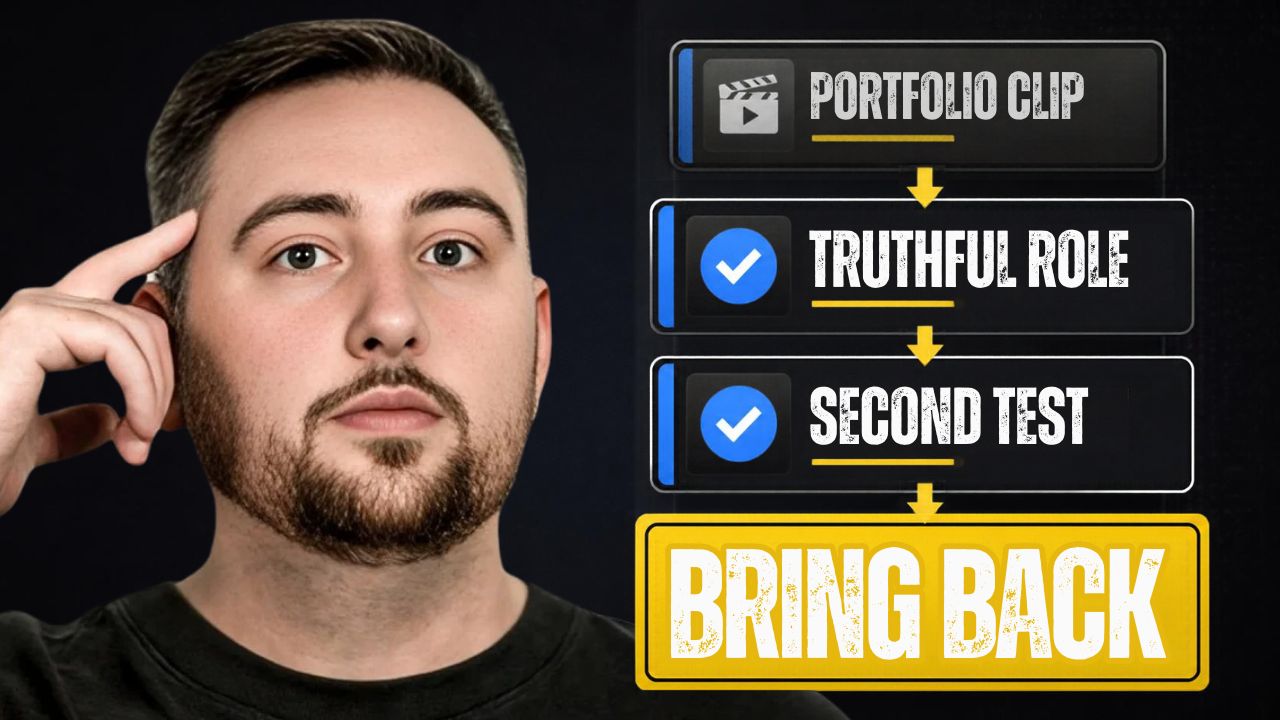
Before you build an in-house UGC creator pipeline, find someone worth bringing back for the next shoot. Hiring a person gives you access to their time. It does not establish that they can make your high-ticket offer sound believable, handle a different angle, or keep producing work your team can use. I would make the decision about repeat work before making the decision about a bigger team.
A polished portfolio can get somebody into the conversation. The harder question is whether the person understands enough of the buyer’s problem to deliver your message without sounding like they borrowed it. If that part falls apart, putting them on a recurring agreement gives you a recurring production problem.
Already making money? See what it takes to make a lot more.
Why a Good UGC Clip Does Not Settle the Hiring Decision
A good clip shows you something about the person and that particular assignment. It leaves other questions open. Can they explain a different objection just as naturally? Can they take a useful correction without losing the delivery you liked?
I am careful with paid UGC for high-ticket products and services because the speaker can sound disconnected from the thing being sold. Somebody can pronounce every word correctly and still sound like they do not believe the argument. A buyer considering a substantial purchase has a reason to pay attention to that.
The right person can make the format worth testing. That does not make every available creator a fit, and it does not make the format a requirement for your business. Keep the choice of ad format separate from the excitement of finding someone available to film.
Do not build recurring production around a delivery you are still trying to rescue. Look at the actual footage, including the parts the final edit removed. An attractive finished example can hide how much explanation and correction it took to get there.
The Person Has to Understand What They Are Saying
I want the speaker to understand the point well enough to explain it in ordinary language. That is different from asking them to memorize the script. If they cannot explain why the buyer would care, more takes can repeat the same weak delivery.
Listen for where the words stop sounding like their own. Technical language may need an explanation. A claim may need to be removed. A sentence may simply be written in a way nobody would say out loud.
Give the person enough context to make that distinction. Explain the offer and the particular problem the video addresses. Then pay attention to their questions. Asking what a term means is much more useful than confidently performing a line they do not understand.
TikTok’s creative guidance recommends featuring people and using a less polished style that fits the platform. That gives you room to choose a clear, direct speaker instead of the person with the most elaborate set. It does not mean a casual-looking recording can carry an unclear sales message.
A useful UGC brief supplies the context and delivery requirements. Once that assignment is clear, judge whether the creator can actually carry it. Otherwise, you cannot tell whether you are looking at a casting problem or a direction problem.
Keep the Spokesperson and Customer Roles Clear
A spokesperson can explain an offer without claiming to have bought it or achieved a result. A customer can describe an experience they actually had. Choose the role honestly before asking somebody to speak for the business.
The temptation is to give a paid creator a customer’s story because it sounds stronger in the first person. That creates a problem the creator’s delivery cannot solve. They did not have the experience, even if they can perform the words convincingly.
The FTC’s influencer guidance says endorsers cannot discuss an experience with a product they have not tried. It also covers disclosure of material relationships and putting video disclosures in the video. Build those boundaries into the assignment instead of trying to hide them in the caption later.
A recurring relationship makes this more important. The audience may see that person repeatedly and form an impression of their connection to the offer. Make sure the impression matches the role they actually have.
If a creator can explain your product clearly as a paid presenter, let them do that. You do not need a fictional transformation to make the video worth testing. The buyer still deserves an accurate account of what is being sold.
What I Would Look for Before Booking Another Shoot
Before booking another shoot, I would look at how the person handled the actual work. A convincing opening matters. So does their ability to keep the meaning intact when the line changes or the team corrects something.
These are the questions I would ask before booking again.
Did the creator understand the buyer problem behind the script?
Did their own phrasing preserve the approved claim?
Could they handle a different explanation without repeating the same performance?
Did the footage meet the agreed delivery requirements?
Did a revision improve the problem the team identified?
Those questions give you a reason to continue or a specific issue to address. They also keep a personality preference from becoming the whole evaluation. You can like working with someone and still recognize that a particular message needs a different speaker.
Judge the work against the brief before blaming the person for a weak ad. If they delivered what you requested, the campaign can still expose a problem elsewhere. The offer, script, destination, and audience all deserve a look.
Master Internet Marketing, my 7-week live comprehensive training, is an option for broader work on copywriting, funnels, and paid advertising. Keep those pieces connected when judging creative. A creator should not become the explanation for every weakness in the sales path.
Results are not typical. Your results will vary and depend entirely on your individual capacity, business experience, expertise, and level of desire. There are no guarantees concerning the level of success you may experience. The testimonials and examples used are not intended to represent or guarantee that anyone will achieve the same or similar results. We don’t believe in get-rich-quick programs. We believe in hard work, adding value and serving others. As stated by law, we can not and do not make any guarantees about your own ability to get results or earn any money with our information, courses, programs, or strategies.
Repeat Work Needs Enough New Material to Be Useful
Repeat work makes sense when there are useful new assignments for that person. Giving them the same argument with slightly different openings can fill a folder without expanding what the business can test.
Look at the buyer questions your next ads need to address. The creator might be convincing when introducing the problem but struggle with a detailed explanation. Another person may be able to demonstrate a process accurately while sounding awkward delivering a broad motivational line.
Use that information when you decide what to commission next. A repeat creator does not have to become the face of every ad. You can keep using them for the work they handle well while testing another format for a different communication job.
Watch the amount of intervention required too. If every new assignment needs the owner to rewrite each line and direct every take, the recurring agreement has not removed that work. Be honest about who is still carrying production.
The in-house creative versus agency decision depends on the recurring workload and the direction the business can supply. Do not add a permanent role because a particular video looked good. Establish that you have enough suitable work and someone capable of approving it.
A Repeat Booking Does Not Give You Unlimited Ad Rights
A repeat booking should come with a clear agreement about how you can use the work. Availability next month does not settle whether you can keep running this month’s footage or create another version from it.
Clarify the intended advertising use, the files the team receives, and the changes the editor can make. If an existing agreement limits those uses, resolve the question before treating the footage as a permanent library.
The U.S. Copyright Office’s work-for-hire explanation distinguishes employee work from certain commissioned work covered by an express written agreement. Do not assume paying an invoice automatically answers ownership questions. Have the agreement reviewed for the arrangement you are making.
I would also keep the person responsible for the relationship involved when the offer changes. A creator can keep reading the old explanation accurately after the business has stopped selling it. Renewing production without updating the context can preserve the wrong message.
This is another reason to keep creative direction and account feedback connected. The next shoot should reflect what you now need to communicate. The convenience of using the same creator should not decide the next argument.
7 weeks. Real frameworks. Covering copywriting, funnels, paid ads, and conversion systems.
Build Around the Creator Who Can Keep Doing the Work
Build recurring UGC production around demonstrated ability and actual demand for more work. Start with whether the person can speak credibly about the offer. Then look at how they handle another assignment, a correction, and the practical requirements of delivery.
Keep looking at the ads after they launch. Follow the response far enough to understand who arrives and what they thought the offer meant. If the message attracts the wrong people, give the next creative decision that context instead of asking for more energy on camera.
A creator can become someone you work with regularly without becoming a full-time hire. A full-time hire can be useful when the business has the right workload. Neither arrangement guarantees cheaper acquisition, longer-lasting ads, or a winner every time you film.
In my Inner Circle, operators can compare the team decisions they are working through. Bring the actual work, the revisions it needed, and what your next campaigns require. Those details give you a better basis for deciding whether to book the creator again.
Results are not typical. Your results will vary and depend entirely on your individual capacity, business experience, expertise, and level of desire. There are no guarantees concerning the level of success you may experience. The testimonials and examples used are not intended to represent or guarantee that anyone will achieve the same or similar results. We don’t believe in get-rich-quick programs. We believe in hard work, adding value and serving others. As stated by law, we can not and do not make any guarantees about your own ability to get results or earn any money with our information, courses, programs, or strategies.
Get my content first on Google
Add jeremyhaynes.com as a preferred source and Google shows my articles more prominently in your search results, including AI Overviews and AI Mode.


Jeremy Haynes
Owner and CEO of Megalodon Marketing
Jeremy Haynes is the founder of Megalodon Marketing. He is considered one of the top digital marketers and has the results to back it up.