How to Brief UGC Creators for Usable Paid Ad Footage

I hope you enjoy reading this blog post. If you want my team to just do your marketing for you, click here.
Author: Jeremy Haynes | Published September 28, 2026
Earnings Disclaimer: You have a .1% probability of hitting million-dollar months according to the US Bureau of Labor Statistics. As stated by law, we cannot and do not make any guarantees about your own ability to get results or earn any money with our ideas, information, programs, or strategies. We don’t know you, and your results in life are up to you. We’re here to help by giving you our greatest strategies to move you forward, faster. However, nothing on this page or any of our websites or emails is a promise or guarantee of future earnings. Any financial numbers referenced here, or on any of our sites or emails, are simply estimates or projections or past results, and should not be considered exact, actual, or as a promise of potential earnings – all numbers are illustrative only.
A freelance UGC creator can follow your brief and still send footage your editor cannot use. If I hire someone to make user-generated content for an ad, I want us to agree on what a usable delivery looks like before they film. That means a clear message, honest claims, footage that fits the placement, and permission to run it where I intend. Conversion comes later, when the ad reaches buyers.
The expensive argument starts when the creator thinks the assignment is finished and the buyer starts adding requirements. You wanted separate hooks, and they delivered a single edited video. You wanted a demonstration, and they recorded a personal story. Those decisions belong in the original conversation, along with what the creator can change and what has to stay.
Already making money? See what it takes to make a lot more.
Why Creators and Editors Disagree About Finished Work
A useful freelance UGC brief lets both sides recognize a complete delivery. I would describe the intended ad, the files the team needs, and the boundaries of the assignment. Asking for content that converts gives the creator a business goal, but it leaves a lot of practical questions unanswered.
The person writing the brief should already know who the buyer is and why that buyer might care. The creator can help express the idea naturally. Expecting them to discover the offer’s strongest argument while setting up a camera puts too much unresolved work into the shoot.
I would start with the action the ad is supposed to earn. A video leading to an application needs a different closing line from a product demonstration leading to checkout. The marketing message has to connect that action to something the buyer wants. Otherwise, the creator is left talking about features without a reason for the viewer to keep watching.
The brief should make the first review predictable. If the content uses the agreed angle, stays within the approved claims, and arrives in the requested form, it has met a meaningful production standard. Whether it wins in the ad account is a separate question. Keeping that distinction clear makes feedback more useful for everyone.
Tell the Creator Which Parts They Can Change
I would give the creator room to change delivery while keeping the offer’s meaning intact. People have their own phrasing, pace, and on-camera habits. A line can become easier to say without changing the promise it makes.
There are parts I would mark as fixed. The offer name, the action at the end, and any claim that depends on precise wording should survive the creator’s rewrite. There are also parts I would invite them to improve, including transitions, everyday phrasing, and how they demonstrate something they actually understand.
A reference video helps only when the brief explains what to notice. You might like the calm delivery while disliking the script. You might want the camera framing but have no use for the music or setting. Sending the reference without that explanation leaves the creator guessing which details matter.
This is where the appeal of raw ad creative can get lost. Natural delivery gives the message a human voice. It still needs a clear argument. I would rather hear the creator’s version before the full shoot than discover afterward that every line sounds memorized.
A short walkthrough can help when the written brief leaves room for different interpretations. Use it to explain the buyer’s problem and the reason behind the request. Avoid reading the document back to the creator. The useful part is the context they could not get from the bullet points alone.
Real Customer Language Needs Honest Attribution
A creator can learn from customer language without pretending to have lived that customer’s experience. That boundary belongs in the brief. A compelling review does not become the creator’s personal story because the brand wants a believable read.
If the creator has used the product, let them describe what they actually observed. If they are presenting a demonstration, make that role clear. If the ad includes a real customer’s words, preserve the attribution and obtain the permissions needed for that use. Never tell a creator to perform a result they did not experience as though it happened to them.
The FTC’s influencer guidance says endorsers cannot discuss experience with products they have not tried. It also calls for clear disclosure of material relationships, including payment or free products. For a video endorsement, the disclosure belongs in the video, where viewers can notice it.
I would put approved claims and disclosure requirements beside the relevant lines in the brief. A separate folder of policies is easy to miss during filming. The creator should be able to see which statement needs careful handling while they prepare to say it.
This is also why ad compliance belongs before production. It is much easier to choose a truthful angle before recording than to rescue an entire concept built around a borrowed testimonial. A good performance on camera cannot supply the missing evidence.
Ask for Footage Your Editor Can Actually Reuse
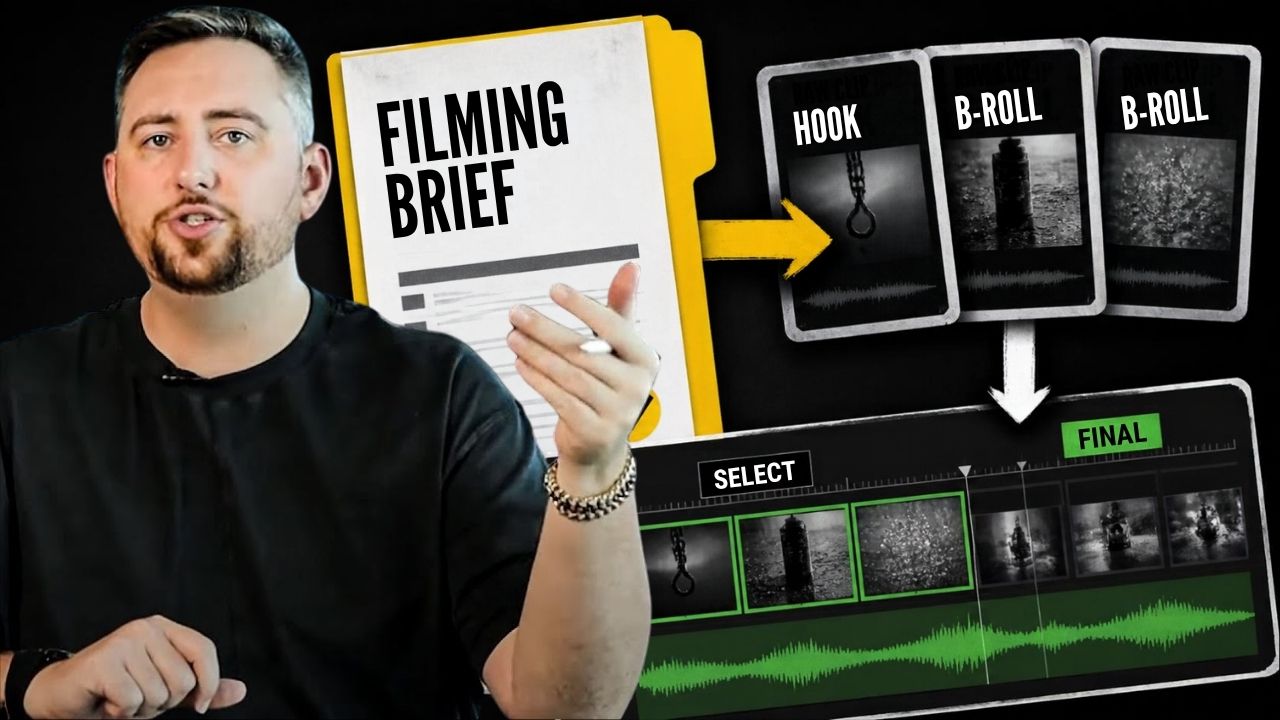
Your editor needs to know what will arrive before the shoot happens. A finished video might satisfy the purchase while leaving no clean way to change the opening or ending. If the campaign needs alternate versions, those files have to be part of the assignment.
I would agree on whether the delivery includes raw clips, an edited version, or both. Then I would identify the pieces that need separate takes. That might mean a hook recorded by itself or a clear demonstration without music baked into it. The creator should understand which parts are deliberate requirements and which are optional extras.
TikTok’s creative guidance recommends vertical footage, attention to interface safe zones, and a clear call to action. Those are practical reasons to name the intended placement in the brief. A product can be visible in the original file and disappear behind interface elements when the ad runs.
Some useful delivery questions are straightforward:
Will the editor receive clean footage as well as the finished cut?
Which lines need alternate takes for the planned test?
Which product actions or screens must remain readable?
Who adds captions, music, and required disclosures?
Where will the final files and their agreed usage details live?
The aim is enough material for the intended creative variations. Ordering more footage without a use for it can make the handoff harder. Ask the editor what is needed for the actual concept, then put that request into the scope.
Agree on Ad Usage Before Filming Starts
Receiving a video file and having the permissions to use it are separate parts of the handoff. I would make the intended use visible before agreeing on the shoot. The creator needs to know whether the asset will appear on the brand’s own channels, in paid advertising, or through their account.
That conversation should cover the platforms, agreed period of use, editing permissions, and whether additional versions are included. Those details belong in the written agreement as well as the production brief. The brief can point to the agreed terms without pretending to replace them.
Platform authorization also matters. TikTok’s Spark Ads instructions describe using authorized identities or a creator’s authorization code for a post. A video sitting in a shared folder does not complete that platform process. Confirm the intended publishing route while the creator is available to help.
I would also check who supplies music or other outside assets. If the editor plans to add those later, ask for a clean version that leaves that choice open. A track that sounds good in a creator’s preview can create another approval question for the final ad.
Inside Master Internet Marketing, my 7-week live comprehensive training, I connect creative decisions to paid acquisition. That includes thinking beyond the video itself to where it will run and what the team needs to test it.
Results are not typical. Your results will vary and depend entirely on your individual capacity, business experience, expertise, and level of desire. There are no guarantees concerning the level of success you may experience. The testimonials and examples used are not intended to represent or guarantee that anyone will achieve the same or similar results. We don’t believe in get-rich-quick programs. We believe in hard work, adding value and serving others. As stated by law, we can not and do not make any guarantees about your own ability to get results or earn any money with our information, courses, programs, or strategies.
Make Revision Requests About the Original Brief
A useful revision request names what missed the agreed assignment. It might be an inaccurate claim, a missing demonstration, or an ending that sends viewers to the wrong action. The creator should be able to tell what needs to change and why.
Vague feedback makes another round hard to get right. Saying the video needs more energy does not explain whether the problem is the opening, the pace, or the meaning. Point to the moment and describe the intended change. If the opening takes too long to reach the buyer’s problem, say that.
I would also separate a missed requirement from a new idea. If the creator followed the approved script and the team now wants a different angle, that is a change in direction. Handle the additional work according to the agreed scope. Treating every new idea as a correction makes the original brief meaningless.
One person should consolidate the team’s feedback before it reaches the freelancer. An editor can catch a technical issue while a media buyer spots a message problem. Those observations can belong in the same review, but the creator needs a coherent request when the two conflict.
Good feedback gives the creator something specific to fix. It also gives the next brief something to learn from. If the same misunderstanding happens across different creators, revisit the wording or example that produced it. Repeating a request more forcefully will not make it clearer.
A Finished Video Still Has to Earn Its Ad Spend
Once the delivery meets the brief, the campaign has to show whether the message works. I would evaluate the content against the intended buyer action. Attention can help explain performance, but attention alone does not establish that the ad brought useful prospects.
A creator might deliver a clear, accurate video that attracts the wrong audience because the original angle was weak. An editor might improve a promising take. A landing page might fail to continue the promise made in the ad. The business needs to consider those possibilities before deciding the freelancer caused the result.
The creative testing decision should identify what the team wants to learn. If you change the creator, hook, offer, and destination together, you have less basis for explaining the difference. Preserve enough consistency to make the next decision useful.
I would send relevant learning back to the creator in plain language. Explain where the demonstration helped people understand the product or the opening attracted questions from the wrong buyers. Point out a closing instruction that did not match the page. That is better input for another shoot than a dashboard screenshot with no explanation.
A regular creative feedback cycle keeps that learning available when the next brief is written. Record what the footage was meant to test and what the campaign actually showed. Leave room for uncertainty where the data cannot support a clear conclusion.
7 weeks. Real frameworks. Covering copywriting, funnels, paid ads, and conversion systems.
What I Would Clarify Before Booking the Next Creator
Before hiring another freelancer, I would look at the last delivery the team struggled to use. Find the point where expectations split. Was the message unclear, was a required clip missing, or did the team ask for something it never included in the scope? Start there.
Give the creator a clear buyer and angle. Mark the claims that need exact treatment. Confirm the files, intended use, and review process. Keep enough freedom for the person on camera to sound like themselves.
The brief earns its place when the creator, editor, and person running the ads understand the same assignment. That gives the business footage it can assess and a fair basis for asking for changes. It also makes the next conversation about improving the ad much more concrete.
In my private mastermind, Inner Circle, operators work through the production and team decisions behind this kind of handoff. The useful question is where the work gets stuck and what needs to be clear before the next person takes over.
Results are not typical. Your results will vary and depend entirely on your individual capacity, business experience, expertise, and level of desire. There are no guarantees concerning the level of success you may experience. The testimonials and examples used are not intended to represent or guarantee that anyone will achieve the same or similar results. We don’t believe in get-rich-quick programs. We believe in hard work, adding value and serving others. As stated by law, we can not and do not make any guarantees about your own ability to get results or earn any money with our information, courses, programs, or strategies.
Get my content first on Google
Add jeremyhaynes.com as a preferred source and Google shows my articles more prominently in your search results, including AI Overviews and AI Mode.


Jeremy Haynes
Owner and CEO of Megalodon Marketing
Jeremy Haynes is the founder of Megalodon Marketing. He is considered one of the top digital marketers and has the results to back it up.