Funnel
A funnel is the path potential customers take from first awareness of your brand to becoming paying customers. The funnel metaphor represents how many people enter at the top and fewer come out as customers at the bottom. A typical funnel includes awareness where people discover you through ads or content, interest where they engage and learn more, consideration where they evaluate whether your solution fits, and conversion where they purchase. Understanding your funnel lets you identify where people are dropping off, which stages need optimization, and how to systematically move more people from awareness to customer.
Why Funnels Are Critical
Every business has a funnel whether they’ve intentionally designed it or not. The question is whether it’s optimized or full of leaks. Most businesses lose potential customers at every stage because they haven’t thought through the journey. People see an ad but the landing page doesn’t match. They opt in but the emails aren’t relevant. They’re interested but there’s no clear path to purchase. A well-designed funnel anticipates what people need at each stage and provides it so the path from stranger to customer is smooth. The businesses that dominate their markets have dialed-in funnels that convert at high rates because they’ve eliminated friction and optimized every step.
Building And Optimizing Funnels
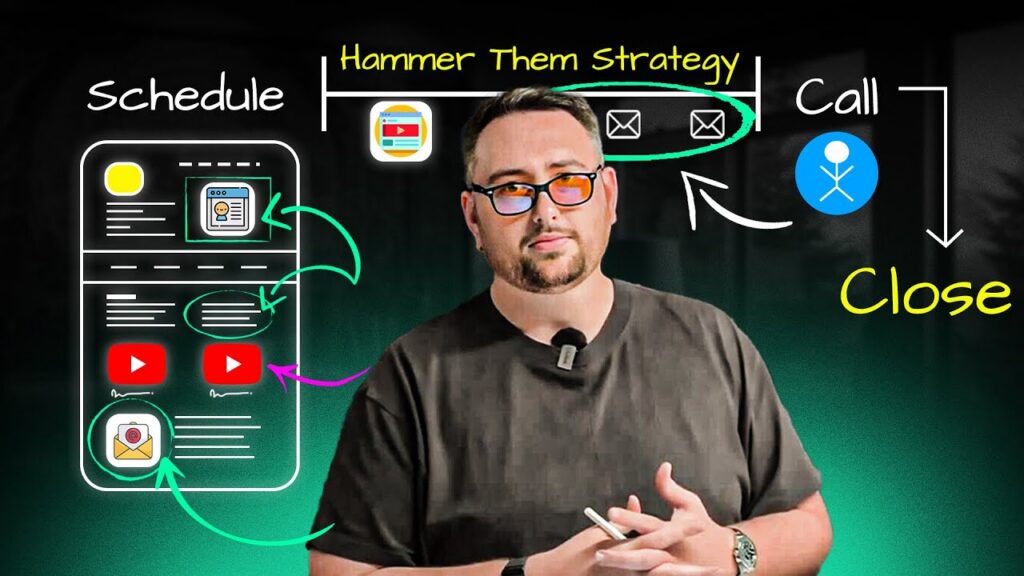
Building an effective funnel starts with mapping the current customer journey to understand what paths people actually take. Then you identify drop-off points where people are leaving. You optimize each stage by improving messaging, reducing friction, adding trust elements, or creating urgency. You test different approaches to see what moves more people to the next stage. And you continuously refine based on data rather than assumptions. The businesses with the best funnels treat them as systems that need constant attention and improvement rather than set-it-and-forget-it marketing assets.