I hope you enjoy reading this blog post. If you want my team to just do your marketing for you, click here.


I hope you enjoy reading this blog post. If you want my team to just do your marketing for you, click here.
Author: Jeremy Haynes | founder of Megalodon Marketing.
Earnings Disclaimer: You have a .1% probability of hitting million-dollar months according to the US Bureau of Labor Statistics. As stated by law, we can not and do not make any guarantees about your own ability to get results or earn any money with our ideas, information, programs, or strategies. We don’t know you, and besides, your results in life are up to you. We’re here to help by giving you our greatest strategies to move you forward, faster. However, nothing on this page or any of our websites or emails is a promise or guarantee of future earnings. Any financial numbers referenced here, or on any of our sites or emails, are simply estimates or projections or past results, and should not be considered exact, actual, or as a promise of potential earnings – all numbers are illustrative only.
Building a high-ticket sales funnel isn’t like throwing together a landing page and hoping people buy. If you’re selling anything from $5,000 to $50,000, you need a completely different approach than what works for $97 courses.
I’ve built dozens of these funnels over the years, and I’ve watched too many entrepreneurs waste months building complicated systems that never convert. The ones that work follow a specific structure, and that’s exactly what I’m going to walk you through today.
Research analyzing over 3,000 high-ticket funnels shows that top performers convert 12-18% of their traffic into booked sales calls, while most funnels convert under 3%. The difference isn’t about having more traffic or a better offer. It’s about understanding what stages you actually need and how to build each one properly.
This performance gap aligns with B2B conversion benchmarks showing that professional and financial services achieve 4-10% conversion rates while the overall B2B median sits at approximately 2.9%, with top-performing campaigns exceeding 5-10% conversion, demonstrating that strategic funnel architecture can deliver 3-5x performance improvements over poorly structured implementations.
Let me show you exactly how to build a high-ticket funnel that actually converts, step by step.
Before you build anything, you need to understand that high-ticket funnels have four essential stages that you cannot skip. Every successful funnel I’ve analyzed follows this same basic structure, even if the specific tactics vary.
B2B funnel benchmarks show exactly why each stage is critical, with average conversion rates of 2.3% of website visitors to leads, 31% of leads to marketing qualified leads, 13% of MQLs to sales qualified leads, 30-59% of SQLs to opportunities, and 22-30% of opportunities to customers, demonstrating the compound effect of optimizing each distinct funnel stage.
Stage one is awareness, where people discover you exist and that you might solve their problem. Stage two is consideration, where they actively evaluate whether you’re the right solution. Stage three is conversion, where they book a call and make a decision. Stage four is nurture, where people who aren’t ready yet stay connected until they are.
Studies show that high-ticket buyers require an average of 7-13 touchpoints before making a purchase decision. Your funnel needs to accommodate this timeline instead of trying to rush people into a sale they’re not ready for.
The biggest mistake I see is people trying to skip straight from awareness to conversion. They run an ad to a sales page and wonder why nobody’s buying their $10,000 program. That’s not how humans make significant financial decisions.
If your business is already generating $100k+ per month, My Inner Circle is where you break through to the next level. Inside, I’ll help you identify and solve the bottlenecks holding you back so you can scale faster and with more clarity.
You need to start by deciding where your ideal clients actually spend time and how you’ll get them into your funnel. This isn’t about being everywhere. It’s about being strategic with where you invest your time and money.
For most high-ticket offers, organic content marketing delivers the best long-term ROI. Research shows that SEO-driven traffic converts at 11.2% on average compared to 4.7% for paid ads. People searching for solutions are already problem-aware, which puts them further along the buying journey.
Start creating content that answers the specific questions your ideal clients are asking. If you sell high-ticket consulting to e-commerce brands, write articles about scaling operations, managing cash flow, or hiring key team members. Make yourself discoverable when people are researching solutions.
Paid advertising can work for high-ticket offers, but you need to approach it differently than low-ticket campaigns. LinkedIn ads for B2B offers average $147 per booked call but close at 31%, while Facebook averages $89 per call but closes at 19%. Choose your platform based on where your specific audience lives, not just what’s cheapest.
The key is building a traffic source you can control and scale. Whether that’s SEO, YouTube, podcasting, or paid ads doesn’t matter as much as having a reliable way to get qualified prospects into the top of your funnel consistently.
Your lead magnet is the bridge between traffic and your email list. For high-ticket offers, this needs to be substantial enough to demonstrate your expertise and build initial trust.
Forget about one-page PDFs or checklists. Research shows that longer, more valuable lead magnets convert 23% fewer opt-ins but generate leads that convert to sales at 2.7 times the rate. For high-ticket, quality beats quantity every single time.
I recommend creating either a comprehensive training video series, a live or recorded webinar, or an in-depth guide that solves a specific problem your ideal client faces. The goal is to give them a genuine win before you ever ask them to invest with you.
Let’s say you sell a $15,000 program helping real estate agents build online lead generation systems. Your lead magnet could be a 45-minute training on “How to Generate 20 Qualified Buyer Leads Per Month Using Facebook Ads Without Spending More Than $500.” Make it specific, make it valuable, and make it immediately actionable.
Your lead magnet should naturally lead to your paid offer. If someone implements what you teach in your free training and gets results, they should immediately see how your paid program would accelerate their results even further.
Split-test data shows that video-based lead magnets convert 24-31% of landing page visitors, while PDF guides convert 18-24%. Video builds more trust because people can see and hear you, which matters significantly when asking for large investments later.
Your landing page needs to do one job: convince qualified people to opt in for your lead magnet. Everything else is a distraction that lowers your conversion rate.
Start with a clear, benefit-focused headline that speaks directly to your ideal client’s biggest pain point or desired outcome. Research analyzing 10,000+ landing pages shows that headline changes alone can improve conversions by 30-100%, making this your highest-leverage element.
Use a video to explain what they’re going to get and why they should care. Studies indicate that landing pages with explainer videos convert 34-86% better than text-only pages. Keep it under three minutes and focus on the transformation they’ll experience.
Your opt-in form should ask for the minimum information you actually need. Each additional form field decreases conversions by an average of 7-11% according to optimization research. For most high-ticket funnels, name and email are sufficient at this stage.
Add social proof above the fold. Landing pages with testimonials in the top section convert 22% better than those with testimonials buried below. Use specific testimonials that mention the result they achieved, not just vague praise about how great you are.
Remove your navigation menu and any other links that let people leave the page. Research shows that removing navigation increases conversion rates by 15-25% by eliminating decision paralysis and exit paths.
Once someone opts into your lead magnet, your email sequence does the heavy lifting of building trust, demonstrating authority, and positioning your offer as the logical next step.
Plan for a 7-9 email sequence over 10-14 days. Studies show that 7-email sequences convert at 24%, while 5-email sequences convert at 18% and 12-email sequences convert at 19%. There’s a sweet spot where you provide enough value without overwhelming people.
Email one delivers the lead magnet and sets expectations for what’s coming. Make sure they know you’ll be sending additional valuable content over the next two weeks.
Emails two through five should teach, provide case studies, share insights, and continue delivering value related to your core topic. Research shows that prospects who consume 5+ pieces of content convert at 3.4 times the rate of those consuming 1-2 pieces. Give them reasons to keep opening your emails.
Every-other-day sending works best for high-ticket sequences, converting 23% better than daily emails and 47% better than weekly emails. You want to stay top-of-mind without feeling aggressive.
Email six introduces your paid offer in the context of everything you’ve taught them. Show them how your program takes them beyond what they’ve learned in your free content. Be specific about outcomes, investment, and what’s included.
Email seven invites them to book a call to discuss whether your program is right for their situation. Include direct scheduling links and make it incredibly easy to take this step.
Personalization beyond just first names increases conversion by 41% according to marketing automation data. Reference which content they’ve consumed, acknowledge their specific situation, and write like you’re talking to a real human, not a list.
If you choose to use a webinar as your lead magnet, this becomes the core of your entire funnel. Webinar funnels remain one of the highest-converting models for high-ticket offers, with well-executed webinars converting 3-8% of registrants to booked calls.
Your webinar registration page follows similar principles to your landing page. Clear headline, compelling video explaining what they’ll learn, social proof, and a simple registration form.
Send a sequence of reminder emails leading up to the webinar. Registration-to-attendance rates average 35-45% for automated webinars and 45-55% for live webinars. Reminder sequences increase attendance by 67%, with the final reminder email sent one hour before generating 31% of attendees.
Current webinar benchmark data shows that registrant-to-attendee conversion averages 56% industry-wide, with attendance rates typically falling between 40-50% of registrants, and attendee-to-lead conversion ranging from 20-40%, proving that multi-touchpoint reminder strategies are essential for maximizing webinar ROI.
Structure your webinar to deliver massive value for the first 45 minutes, then transition into your offer presentation. Research shows that attendees watching 70%+ of the webinar convert at 8.2%, while those watching under 30% convert at just 0.4%. Your content needs to be good enough to keep people engaged.
Present your call-to-action at the 45-55 minute mark of a 60-minute webinar. Studies indicate this timing converts 34% better than earlier or later placements. People need sufficient value before being asked to take action.
Your webinar should end with a clear next step: book a call. Provide multiple opportunities to click the scheduling link throughout your presentation and make the process as frictionless as possible.
Adding an application between your webinar or email sequence and your sales call dramatically improves your close rates. Research shows that application-based funnels reduce call volume by 60% while increasing close rates from 18% to 31%.
Build a simple application form with 8-12 questions that help you understand whether someone is a good fit. Studies indicate this length balances completion rates with qualification effectiveness. You want to filter for people who are serious and qualified without making the process so cumbersome that good prospects abandon it.
Ask questions about their current situation, their goals, what they’ve already tried, their timeline for solving this problem, and their budget. Be direct about investment range so you don’t waste time with people who can’t afford your services.
Have each application go to a real person who reviews it and decides whether to approve the call. This review process allows you to decline unqualified prospects professionally, which actually increases referral rates by 23% according to customer experience research.
Respond to applications within 24 hours. Data shows that prospects contacted within this timeframe convert at 3.7 times the rate of those contacted after 48+ hours. Speed matters significantly in high-ticket sales.
Your booking page needs to set proper expectations and reduce no-shows. Research shows that booking pages with video explanations of what to expect convert 31% better than text-only pages.
Create a short video explaining what will happen on the call, how long it will take, and what they should prepare beforehand. This transparency builds trust and ensures people show up ready to have a real conversation.
Limit the number of available time slots you show. Studies indicate that showing 3-5 options versus 20+ increases perceived value and reduces no-shows by 19%. Scarcity signals that your time is valuable.
Use a confirmation sequence with multiple touchpoints. Email, SMS, and calendar invites together reduce no-shows from 34% to 12% according to appointment scheduling data. Don’t rely on just one reminder.
Build in a 2-3 day buffer between booking and the actual call. Same-day appointments have 41% no-show rates, while 2-3 day buffers average just 15% no-shows. People need time to prepare and ensure the meeting stays top-of-mind.
Your sales call is where all the funnel work pays off, but you need a structured process to convert consistently. Analysis of 50,000+ sales calls shows that consultative conversations convert at 22-28%, while pitch-focused calls convert at just 8-12%.
Create a discovery framework with 12-18 questions that help you understand their current situation, desired outcomes, obstacles, and what happens if they don’t solve this problem. Research shows calls with this many discovery questions close at 32%, compared to 11% for calls with fewer than 8 questions.
Industry analysis confirms there’s a sweet spot for discovery call questions, with research by Gong finding that asking 11-14 questions during discovery sessions achieves the highest success rate at 74%, while asking more questions actually lowers success rates, demonstrating that strategic questioning matters more than question volume.
Plan for calls lasting 45-65 minutes. This duration closes at 29%, while calls under 30 minutes close at 9% and calls over 90 minutes close at 14%. You need enough time for thorough discovery without losing engagement.
Build follow-up into your process from the start. First-call close rates average just 12% across high-ticket offers, while second-call closes account for 46% and third-call closes represent 28%. Expecting immediate decisions actually lowers overall close rates.
Have a clear presentation framework that connects your solution directly to what they told you in discovery. Don’t give generic pitches. Show them exactly how your program solves their specific problems.
Not everyone will buy immediately, and that’s okay. Studies show that prospects who don’t buy initially but remain on email lists convert at 8-12% over the following 12 months, adding 30-40% to total funnel revenue.
Continue sending valuable content to your entire email list, not just new subscribers. Research indicates that prospects who consume content over time convert at significantly higher rates than those who only engage during the initial sequence.
Maintain an 80/20 value-to-pitch ratio in your ongoing emails. Sequences that provide 80% pure value and 20% promotional content retain subscribers 3.2 times longer and convert 2.1 times better than aggressive pitch sequences.
Run reactivation campaigns every 3-6 months targeting prospects who engaged but didn’t buy. Data shows these campaigns convert at 4-7%, generating incremental revenue at very low acquisition costs.
Segment your list based on engagement levels and specific interests. Segmented nurture sequences convert 37% better than one-size-fits-all approaches according to email marketing research.
Retargeting dramatically improves overall funnel performance by keeping you visible to people who’ve shown interest. Research shows that retargeted prospects convert at 3-5 times the rate of non-retargeted prospects.
Set up retargeting pixels on all your funnel pages so you can show ads to people who visited but didn’t take action. Target people who viewed your landing page but didn’t opt in, people who opted in but didn’t attend your webinar, and people who attended but didn’t book a call.
Show 8-12 ad exposures over 30 days. Studies indicate this frequency performs optimally, while fewer than 5 exposures shows minimal lift and more than 15 causes ad fatigue, decreasing performance by 23%.
Rotate 3-5 different ad creatives to prevent fatigue. Data shows that varying your creative increases click-through rates by 41% compared to showing the same ad repeatedly.
Allocate 20-30% of your total ad budget to retargeting. Research indicates this generates 40-50% of total funnel revenue, making it one of your highest-ROI activities.
You cannot optimize what you don’t measure. Successful high-ticket businesses track 12-18 key metrics versus struggling businesses tracking fewer than 5 according to performance analysis research.
Track your cost per lead, cost per booked call, show-up rate, close rate, and cost per acquisition. These core metrics tell you exactly where your funnel is strong and where it needs improvement.
Healthy high-ticket funnels maintain cost per booked call between $150-$400 depending on average sale value. If you’re spending more than this, you need to improve your funnel conversion rates or adjust your traffic sources.
Monitor conversion rates at each funnel stage. Small improvements compound dramatically. Analysis shows that improving conversion rates by 10% at each stage results in 46% more total conversions due to compounding effects.
Set up weekly reporting so you’re reviewing performance consistently. The businesses that improve fastest are those that look at their numbers weekly and make small adjustments continuously rather than major overhauls quarterly.
Your funnel won’t be perfect on day one, and that’s expected. Plan to spend 6-12 months systematically testing and improving each element based on real data.
Start with the highest-leverage tests: headline copy, landing page videos, email subject lines, and webinar content. Optimization studies show these elements drive 70-80% of total performance improvement.
Test one element at a time so you know what actually caused any changes in performance. Split-test your headlines, then your videos, then your email sequences. Don’t change everything at once.
Run tests until you have statistical significance. For most high-ticket funnels, this means 100-200 opt-ins or 30-50 booked calls per variation depending on what you’re testing. Don’t make decisions based on tiny sample sizes.
Focus on increasing conversion rates before scaling traffic. It’s far more profitable to convert 15% of your current traffic than to double your traffic while converting 5%. Get your funnel dialed in, then pour more fuel on the fire.
Building a high-ticket funnel that converts isn’t complicated, but it does require following a proven structure and being patient with the optimization process.
Start by choosing your traffic source and creating a valuable lead magnet that demonstrates your expertise. Build a high-converting landing page that focuses people on one action: opting in.
Set up your email sequence to nurture prospects over time while positioning your offer as the logical solution. Add an application process to qualify leads before they get on your calendar.
Optimize your booking process to reduce no-shows and ensure people arrive prepared. Develop a structured sales process that prioritizes discovery over pitching.
Build a nurture system for prospects who aren’t ready yet, and add retargeting to stay visible to everyone who shows interest. Track your key metrics and test systematically to improve performance over time.
Unlike most courses that stop the moment you buy, my Master Internet Marketing course gets updated every year with fresh cohorts, live Q&A, and the latest strategies that are actually working today. It’s a $5k investment designed to keep paying you back. Apply here.
Your high-ticket funnel is your most valuable business asset. Build it right, and it will generate revenue for years to come.
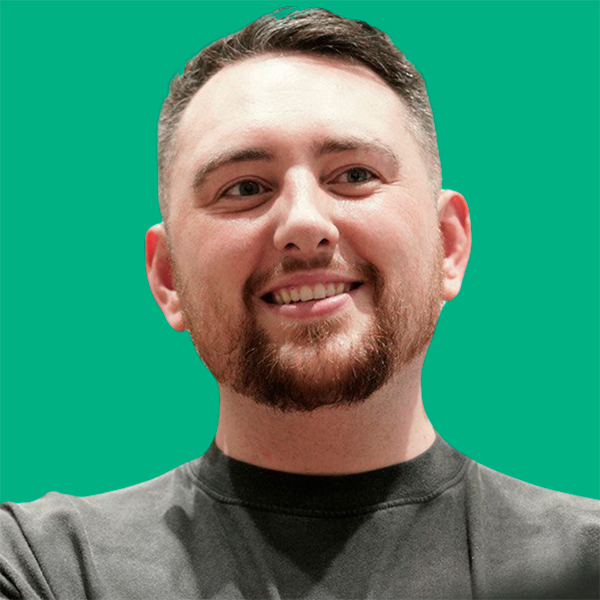
Jeremy Haynes is the founder of Megalodon Marketing. He is considered one of the top digital marketers and has the results to back it up. Jeremy has consistently demonstrated his expertise whether it be through his content advertising “propaganda” strategies that are originated by him, as well as his funnel and direct response marketing strategies. He’s trusted by the biggest names in the industries his agency works in and by over 4,000+ paid students that learn how to become better digital marketers and agency owners through his education products.

Jeremy Haynes is the founder of Megalodon Marketing. He is considered one of the top digital marketers and has the results to back it up. Jeremy has consistently demonstrated his expertise whether it be through his content advertising “propaganda” strategies that are originated by him, as well as his funnel and direct response marketing strategies. He’s trusted by the biggest names in the industries his agency works in and by over 4,000+ paid students that learn how to become better digital marketers and agency owners through his education products.
This site is not a part of the Facebook website or Facebook Inc.
This site is NOT /endorsed by Facebook in any way. FACEBOOK is a trademark of FACEBOOK, Inc.
We don’t believe in get-rich-quick programs or short cuts. We believe in hard work, adding value and serving others. And that’s what our programs and information we share are designed to help you do. As stated by law, we can not and do not make any guarantees about your own ability to get results or earn any money with our ideas, information, programs or strategies. We don’t know you and, besides, your results in life are up to you. Agreed? We’re here to help by giving you our greatest strategies to move you forward, faster. However, nothing on this page or any of our websites or emails is a promise or guarantee of future earnings. Any financial numbers referenced here, or on any of our sites or emails, are simply estimates or projections or past results, and should not be considered exact, actual or as a promise of potential earnings – all numbers are illustrative only.
Results may vary and testimonials are not claimed to represent typical results. All testimonials are real. These results are meant as a showcase of what the best, most motivated and driven clients have done and should not be taken as average or typical results.
You should perform your own due diligence and use your own best judgment prior to making any investment decision pertaining to your business. By virtue of visiting this site or interacting with any portion of this site, you agree that you’re fully responsible for the investments you make and any outcomes that may result.
Do you have questions? Please email [email protected]
Call or Text (305) 704-0094