Scale Paid And Organic Without Splitting Focus

I hope you enjoy reading this blog post. If you want my team to just do your marketing for you, click here.
Author: Jeremy Haynes | Published October 24, 2025

Earnings Disclaimer: You have a .1% probability of hitting million-dollar months according to the US Bureau of Labor Statistics. As stated by law, we can not and do not make any guarantees about your own ability to get results or earn any money with our ideas, information, programs, or strategies. We don’t know you, and besides, your results in life are up to you. We’re here to help by giving you our greatest strategies to move you forward, faster. However, nothing on this page or any of our websites or emails is a promise or guarantee of future earnings. Any financial numbers referenced here, or on any of our sites or emails, are simply estimates or projections or past results, and should not be considered exact, actual, or as a promise of potential earnings, all numbers are illustrative only.
Most businesses treat paid ads and organic content like they’re two separate companies.
You’ve got your paid team running campaigns. You’ve got your content team publishing posts. And the two barely talk to each other.
The ad team is obsessed with CPAs and ROAS. The content team is focused on engagement and SEO rankings. They’re measuring different metrics, working toward different goals, and rarely collaborating.
And as a result, you’re leaving massive amounts of money on the table.
The truth: paid and organic aren’t separate strategies. They’re two sides of the same coin. And when you integrate them properly, they amplify each other in ways that make both channels perform 2-3x better.
I’ve scaled accounts where we’re spending $50K-$500K/month on ads while simultaneously building organic channels that drive millions in revenue. And the secret isn’t splitting focus between the two.
It’s using each one to make the other better. Let me show you exactly how to do it.
7 weeks. Real frameworks. Covering copywriting, funnels, paid ads, and conversion systems.
Why Separating Paid Ads and Organic Content Hurts Your Growth
Before we get into the solution, let’s talk about why most people get this wrong.
The typical approach is to say “Okay, we need paid traffic for immediate results. And we need organic for long-term growth. Let’s do both.” So you hire a media buyer to run ads. You hire a content person to build organic. You tell them both to do their thing.
The media buyer launches campaigns. They’re optimizing for conversions. They’re testing audiences. They’re scaling winners. The content person is publishing blog posts. They’re growing social media. They’re doing SEO. And they’re not talking to each other.
The problem is they’re learning different things about your audience, your messaging, and what works, and none of that learning is being shared. Your ads are discovering what hooks convert. Your organic content is discovering what topics get engagement. But neither channel is using what the other one learned.
That’s insane. You’re essentially running two separate experiments and throwing away half the data.
How to Combine Paid and Organic to Double Performance
You fix it by building a system where paid and organic feed each other continuously.
Paid ads become your testing lab. You use them to discover what resonates fast. You find winning messages, angles, offers, and creative approaches. Then you take those winners and deploy them organically. You create content around the messages that converted. You build long-form versions of the ads that worked. You optimize for the keywords people actually search for.
Meanwhile, your organic content becomes your audience research lab. You see what people engage with, what they share, what they comment on, what questions they ask. You take those insights back to your paid campaigns. You target people based on their organic engagement. You create ads that speak to the topics they care about. You retarget them with offers relevant to what they consumed.
It’s a continuous feedback loop. Each channel makes the other better. Here’s exactly how to build this.
How to Use Paid Ad Data to Create Better Organic Content
Start with using your paid campaigns to inform your organic strategy. Your ads generate data faster than anything else. You can spend $1,000 and know within 24-48 hours what’s working and what’s not. That’s incredibly valuable information that you should be using everywhere.
Mine your winning ad copy. Look at your best-performing ads: the ones with the highest CTR, the ones that convert best, the ones people engage with. What hooks are they using? What pain points are they hitting? What promises are they making? Those are the topics you should be creating organic content around. If an ad with the hook “stop wasting money on ads that don’t convert” is crushing it, that tells you people resonate with that pain point. Create a YouTube video on that topic. Write a blog post. Make it a LinkedIn carousel. Turn it into an email sequence. You’ve already validated that message works. Now amplify it organically.
Identify high-intent keywords from search campaigns. If you’re running Google Search ads, you have a goldmine of keyword data. Look at which search terms are converting, not just driving clicks, actually converting to customers. Those are the keywords you should be creating SEO content for. Most people do this backwards, creating content first and maybe running ads to it later. Do it the other way. Let your ads tell you what people are actually searching for and willing to pay for, then create authoritative organic content for those terms.
Test messaging variations rapidly. One of the best uses of paid ads is rapid message testing. You can test 10 different angles in a week, see which ones resonate, kill the losers, and scale the winners. Then take the winners and use them in all your organic channels: your email subject lines, your YouTube titles, your podcast topics, your social media posts. You’ve already spent money proving these messages work. Don’t let that data die with the campaign.
Find your audience demographics. Your ad platforms tell you exactly who’s converting: age, gender, location, interests, behaviors. Use that data to inform your organic content strategy. If you’re finding that 35-45 year old business owners in the tech industry convert best, create content specifically for them. Use language they use. Reference problems they have. Build content for platforms they use. Don’t create content for a generic audience. Create it for the specific people your ads prove are interested in what you sell.
How to Use Organic Content to Make Paid Ads Perform Better
Now flip it. How do you use your organic content to make your paid ads perform better?
Build custom audiences from engagement. This is the most powerful integration point and most people completely miss it. Every person who watches your YouTube videos, reads your blog posts, or engages with your social content should be going into custom audiences for retargeting. Facebook lets you build audiences from video views, page visits, Instagram engagement, and lead forms. YouTube lets you build audiences from channel subscribers, video views, and likes. LinkedIn lets you build audiences from page followers, post engagement, and event attendees. These are warm audiences. They already know who you are. They’ve consumed your content. They’re way more likely to convert than cold traffic. I have clients spending $200K+/month on paid ads where 40-50% of that budget goes to retargeting people who engaged with organic content first. Those campaigns convert at 3-5x the rate of cold traffic, and the CAC is 50-70% lower. That’s the power of integration.
Create ads from top-performing content. Look at your organic content analytics. Which posts got the most engagement? Which videos got the most views? Which blogs got the most traffic? Turn those into ads. If a LinkedIn post got 50,000 impressions and 500 comments organically, there’s clearly demand for that topic, so create a paid campaign around it. If a YouTube video has 100K views and people are binging your content after watching it, promote it with ads to similar audiences. You’re not guessing what will work. You’re promoting content that already proved it works organically.
Use content for ad creative. Stop creating ads in a vacuum. Pull from your content library. That podcast clip where you explained a concept perfectly? That’s an ad. That Instagram reel that went viral? Turn it into a Facebook ad. That tweet thread that got 1,000 retweets? Make it a LinkedIn ad. Your best organic content is usually more authentic and engaging than stuff you create specifically for ads, because you weren’t trying to sell, you were trying to help. Repurpose it. Test it. Scale what works.
Lower CPMs with brand awareness. Something most people don’t realize: the more people know your brand organically, the better your paid ads perform. Research shows that users exposed to brand awareness ads are 2.2x more likely to search for that brand organically. When someone sees your ad and they’ve already heard of you from a podcast, or they follow you on Instagram, or they’ve read your blog, they’re way more likely to click and convert. And Facebook’s algorithm recognizes this. Your relevance score goes up. Your CPMs go down. Your conversion rates improve. Building organic brand awareness isn’t just good for organic channels. It makes your paid ads cheaper and more effective.
How to Build a Content-to-Ad Flywheel That Compounds Growth
Once you understand these principles, you can build a flywheel where each channel continuously feeds the other. What it looks like in practice:
Week 1: You launch 10 ad variations, testing different hooks and angles. You spend $5K testing. You find 2 winners.
Week 2: You create long-form content based on those winning angles. A YouTube video, a blog post, a LinkedIn article. You publish them organically.
Week 3: That organic content starts getting traction. People are watching, reading, and engaging. You build custom audiences from that engagement.
Week 4: You create retargeting campaigns for those audiences. You’re showing ads to people who engaged with your organic content. Conversion rates are 3x higher than cold traffic.
Week 5: You analyze which retargeting campaigns performed best. You create more organic content on those topics. The flywheel spins faster.
See how this works? Each cycle makes the next one more effective. Your ads get smarter because they’re informed by organic engagement. Your organic content gets smarter because it’s informed by ad performance. And your audience gets a consistent experience across all channels because the messaging is integrated.
How to Apply This Framework Across Every Platform
Here’s how to execute this on specific platforms.
Facebook and Instagram Integration. The organic side: post content consistently (3-5x/week), focus on education and storytelling instead of pitching, use reels and stories to maximize reach, and engage with comments to boost algorithmic reach. The paid side: build custom audiences from page engagement, video views, and IG profile visits, create lookalikes from your organic followers and engagers, boost your top-performing organic posts as ads, and retarget everyone who engaged with organic content in the last 90 days. The integration: use your organic content to warm people up, then hit them with retargeting ads that push them toward conversion. Your organic content answers questions and builds trust. Your ads make the offer and drive action.
YouTube Integration. The organic side: publish long-form educational content weekly, optimize titles and thumbnails for clicks (test in ads first), build a content series that keeps people watching, and pin comments directing people to your offer. The paid side: run Google Display and YouTube ads to website visitors, create video ads from your best organic content, target people who watched 50%+ of your organic videos, and use Google Search ads for keywords you rank for organically. The integration: your YouTube channel becomes a trust-building machine. People binge your content, subscribe, and watch multiple videos. Then you retarget them with ads for your paid offer. They already know, like, and trust you, and conversion rates are through the roof.
LinkedIn Integration. The organic side: post 3-5x per week with a mix of insights, stories, and lessons, go deep in comments (especially on others’ posts), write long-form articles monthly on topics that matter to your ICP, and share case studies and results with permission. The paid side: build matched audiences from website visitors and email lists, target people who engaged with your posts or company page, use video ads featuring your best organic content, and run lead gen campaigns to people who’ve seen your organic content. The integration: LinkedIn’s algorithm favors organic content heavily. Use that to build visibility and credibility, then use paid ads to push your most engaged followers into your funnel. They’re already warm. They just need an offer.
SEO Content and Google Ads Integration. The organic side: create comprehensive content for high-intent keywords, build topical authority with content clusters, focus on featured snippets and answer boxes, and update and improve existing content regularly. The paid side: run Search ads for keywords you rank for organically to dominate the SERP, use Search campaign data to identify new SEO opportunities, retarget organic traffic with Display ads, and create Performance Max campaigns using your best organic content. The integration: your SEO content brings in organic traffic, but not everyone converts on the first visit. Use Google Ads to retarget those visitors and remind them to come back, and use your Search campaign data to inform your SEO strategy. The keywords that convert in paid are the ones you should prioritize organically.
How Much to Spend on Paid Ads vs Organic Content by Revenue Stage
“Okay Jeremy, this all sounds great. But how much should I spend on paid vs organic?” Here’s my framework.
Pre-$500K/year in revenue: 80% organic, 20% paid. You need to build a brand and prove product-market fit. Organic lets you do that without burning cash. Use paid ads for retargeting and testing messaging, but don’t bet the farm on cold traffic.
$500K-$2M/year: 60% paid, 40% organic. You’ve proven the model. Now you need to scale, and paid ads let you do that predictably. But keep investing in organic. It compounds, and it makes your paid ads work better.
$2M-$10M/year: A 50/50 split, or even lean more into paid. At this stage, you need predictable growth, and paid ads deliver that. But organic becomes even more important for brand building and reducing customer acquisition costs over time.
$10M+: This varies wildly by business model, but generally you’re spending heavily on paid while also investing significantly in organic brand building. The key is the two strategies feed each other. Your organic efforts reduce paid costs. Your paid efforts amplify organic reach.
What Metrics Should You Track for Paid and Organic Integration?
You can’t manage what you don’t measure. Here’s what to track.
For paid ads: cost per acquisition (overall and by channel), ROAS by audience type (cold vs retargeting vs organic engagement), CPM trends (are they going up or down as you build brand), and conversion rate by source (ads vs organic traffic).
For organic: engagement rate (likes, comments, shares, watch time), audience growth rate, traffic to key pages from organic sources, and conversion rate of organic traffic.
For integration: the size of your retargeting audiences, performance of ads to organic audiences vs cold, assisted conversions (organic touchpoints before a paid conversion), and brand search volume, since more brand search means organic is working.
The most important metric is blended CAC: what does it cost to acquire a customer across all channels combined? If your organic efforts are working, your blended CAC should be going down over time even as you scale paid spend.
What Are the Top Mistakes When Integrating Paid and Organic?
Save yourself some pain by avoiding these mistakes.
Mistake #1: Creating separate teams with no communication. Your paid team and organic team need to talk, weekly at minimum. They should be sharing insights constantly. If they’re operating in silos, you’re not actually integrating.
Mistake #2: Different messaging across channels. If your ads are saying one thing and your organic content says something else, you’re confusing your audience. The core message should be consistent. The format can vary, but the positioning should align.
Mistake #3: Only retargeting website visitors. Most people only retarget people who visit their website. That’s leaving money on the table. Retarget video viewers, social media engagers, email openers, anyone who’s shown interest.
Mistake #4: Not testing organically before scaling with ads. Don’t dump $50K into an ad campaign before you’ve validated the message organically. Test it with an organic post first, see if it resonates, then put paid behind it.
Mistake #5: Ignoring assisted conversions. Someone might see your organic content five times before clicking an ad and buying. But if you only look at last-click attribution, you’ll think the ad did all the work. Look at assisted conversions. Understand the full customer journey. Give credit where it’s due.
How to Build Paid and Organic Integration in Five Steps
Here’s how to actually implement this in your business.
Step 1: Audit your current state. What are you currently doing on paid and organic? What’s working? What’s not? Where are the gaps? Document everything. You need to know where you’re starting from.
Step 2: Align your teams. Get your paid and organic people in a room (or on a call). Have them present what they’re learning. Identify opportunities to integrate: where can paid inform organic, and where can organic amplify paid?
Step 3: Set up tracking and audiences. Make sure you’re tracking all the right things. Install pixels. Set up custom audiences. Build UTM parameters. You can’t integrate if you can’t track.
Step 4: Create a content-ad testing loop. Start small. Pick one message to test in ads. See if it converts. If it does, create organic content around it. Then retarget the people who engaged with that organic content and measure the results. This is your proof of concept. Once it works, scale it.
Step 5: Build the weekly review process. Every week, review performance across both channels. Share learnings. Make adjustments. What ads are winning? Turn them into organic content. What organic content is popping? Turn it into ads. This becomes your rhythm, your flywheel.
How to Integrate Paid Ads and Organic in Four Weeks
If you’re currently running paid and organic as separate strategies, here’s how to start integrating them.
Week 1: Set up your retargeting infrastructure. Create custom audiences from all your organic channels: video viewers, blog readers, social media engagers, everyone. Set up basic retargeting campaigns to these audiences with your best offers.
Week 2: Analyze your top-performing ads. What’s working in paid? What messages are converting? What creative is performing? Create a list of your top 5 winning ad concepts.
Week 3: Turn winning ads into organic content. Take those 5 winning ad concepts and create long-form organic content around them: videos, blog posts, social media series, whatever formats make sense for your audience.
Week 4: Promote your top organic content with ads. Find your best-performing organic content from the last 90 days. Create paid campaigns to amplify it.
By the end of the month, you’ll have a working integration between paid and organic, and you’ll start seeing the compounding effects.
Results are not typical. Your results will vary and depend entirely on your individual capacity, business experience, expertise, and level of desire. There are no guarantees concerning the level of success you may experience. The testimonials and examples used are not intended to represent or guarantee that anyone will achieve the same or similar results. We don’t believe in get-rich-quick programs. We believe in hard work, adding value and serving others. As stated by law, we can not and do not make any guarantees about your own ability to get results or earn any money with our information, courses, programs, or strategies.
Already making money? See what it takes to make a lot more.
The Long-Term Benefits of Integrating Paid and Organic
Here’s what happens when you nail this integration. Your customer acquisition costs go down, because you’re building brand awareness organically while converting with paid. Your organic reach goes up, because you’re using paid ads to amplify your best content and grow your audience faster. Your conversion rates improve, because people are seeing you across multiple channels, building trust before they buy.
Your competitors are still treating paid and organic as separate strategies. You’re using them as one integrated system, and that’s a massive competitive advantage. It compounds over time. Every piece of organic content you create today becomes retargeting fuel tomorrow. Every ad you run today informs your organic strategy tomorrow.
The businesses that win long-term are the ones that integrate all their channels into one coherent system. Not paid OR organic. Paid AND organic. Working together. Making each other better. So stop splitting your focus. Start integrating your strategies. Your blended CAC will thank you.
Most business owners waste years figuring out what actually works. In our Master Internet Marketing program, we compress that learning curve into 7 weeks, covering copywriting, funnels, ads, and more. If you’re ready to invest $5k and get serious about your skills, apply here.
Results are not typical. Your results will vary and depend entirely on your individual capacity, business experience, expertise, and level of desire. There are no guarantees concerning the level of success you may experience. The testimonials and examples used are not intended to represent or guarantee that anyone will achieve the same or similar results. We don’t believe in get-rich-quick programs. We believe in hard work, adding value and serving others. As stated by law, we can not and do not make any guarantees about your own ability to get results or earn any money with our information, courses, programs, or strategies.
Get my content first on Google
Add jeremyhaynes.com as a preferred source and Google shows my articles more prominently in your search results, including AI Overviews and AI Mode.

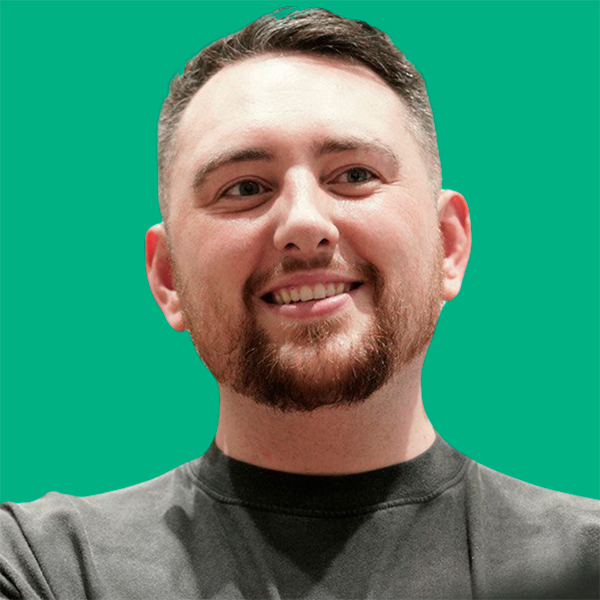
Jeremy Haynes
Owner and CEO of Megalodon Marketing
Jeremy Haynes is the founder of Megalodon Marketing. He is considered one of the top digital marketers and has the results to back it up.