How to Follow Up When Book Leads Want to Read Before Booking
I hope you enjoy reading this blog post. If you want my team to just do your marketing for you, click here.
Author: Jeremy Haynes | Published November 2, 2026
Earnings Disclaimer: You have a .1% probability of hitting million-dollar months according to the US Bureau of Labor Statistics. As stated by law, we cannot and do not make any guarantees about your own ability to get results or earn any money with our ideas, information, programs, or strategies. We don’t know you, and your results in life are up to you. We’re here to help by giving you our greatest strategies to move you forward, faster. However, nothing on this page or any of our websites or emails is a promise or guarantee of future earnings. Any financial numbers referenced here, or on any of our sites or emails, are simply estimates or projections or past results, and should not be considered exact, actual, or as a promise of potential earnings – all numbers are illustrative only.
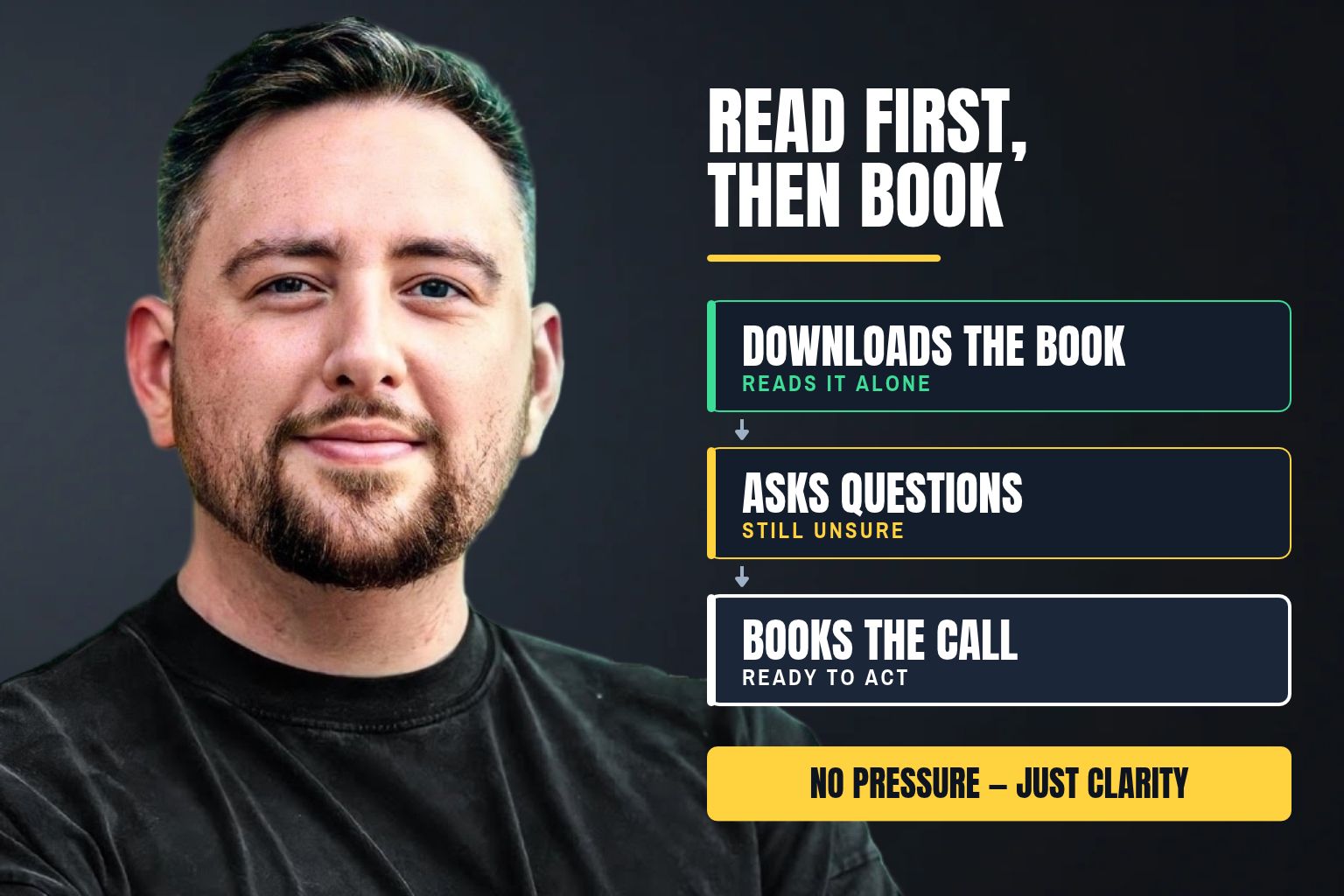
Book lead follow-up gets awkward when the reader says they want to finish the book before booking a call. You have a person interested enough to request the material, but your next message asks them to do something they are not ready to do. Sending the same invitation again leaves their reason for waiting untouched. I want the follow-up to help them get something useful from the book.
That does not require turning every reader into a customer. Some people only need the information. Others may want help applying it once they understand the work. Give them a useful way to learn and a clear way to ask for help without making either step depend on completing the other.
Already making money? See what it takes to make a lot more.
Take the Reader’s Reason for Waiting Seriously
Wanting to read the book first is a reasonable answer. They requested it because something in the promise mattered to them. A sales conversation may feel premature while that first promise remains unexplored.
I have bought books that stayed unopened. Paying for access did not make the time to read appear. A free download gives you even less reason to assume that somebody has already worked through the material.
Find out what they want to understand or try. If they tell you which problem brought them to the book, you have something useful to respond to. Keep the conversation there instead of immediately arguing that they need the larger offer.
A book can also feel like a commitment to read everything in order. The person may be postponing a conversation because they assume they need to complete the whole thing first. You can explain that a question about their situation is welcome before then, while still respecting their choice to keep reading.
The wider book funnel includes acquisition and later offers. Here, the immediate job is narrower. Help the person who already has the book get past a specific point of uncertainty.
Point Them Toward the Lesson That Fits Their Problem
A relevant chapter gives you a better follow-up than another request to book. Explain what the lesson helps them understand and where to find it.
Use their actual question when you have one. If they are trying to understand a particular part of the process, send the section that addresses it. Do not pretend to know what they need because they clicked the download button.
Keep the promised resource available. Somebody who misplaced the link should be able to get back to the book easily. Delivery trouble and uncertainty about the material deserve different responses.
You can also explain that they do not need to finish unrelated chapters before looking at the relevant one. That is useful when the book allows it. If later material genuinely depends on earlier teaching, explain the connection instead of inventing a shortcut.
The question your lead magnet helps the buyer answer should continue into this exchange. If the download attracted people looking for something your paid service does not provide, a more aggressive follow-up will not repair that mismatch.
Put a Useful Part of the Lesson Inside the Email
I like emails that teach the material, rather than only pointing at it. Write out the useful explanation so the reader gets value even if they do not leave their inbox.
That can mean explaining a distinction from the chapter, clarifying a common misunderstanding, or showing what the reader should examine in their own situation. Keep the email focused enough that the reason for reading is obvious.
A supporting video can make sense when seeing the work adds something. Make it clear what the video explains. A bare watch-this instruction asks for more attention without giving the person much reason to spend it.
My value-dense email approach puts useful answers in the message itself. For a book reader, apply that to the chapter they are trying to understand instead of sending a generic summary of everything you sell.
This relationship between teaching and the next offer belongs in the broader work covered by Master Internet Marketing, my 7-week live comprehensive training. The email should still be worth receiving when the reader decides not to buy anything else.
Results are not typical. Your results will vary and depend entirely on your individual capacity, business experience, expertise, and level of desire. There are no guarantees concerning the level of success you may experience. The testimonials and examples used are not intended to represent or guarantee that anyone will achieve the same or similar results. We don’t believe in get-rich-quick programs. We believe in hard work, adding value and serving others. As stated by law, we can not and do not make any guarantees about your own ability to get results or earn any money with our information, courses, programs, or strategies.
A Download Report Cannot Tell You What They Learned
A download is an access event. It cannot tell you whether somebody opened the book, understood the lesson, or tried anything from it.
Google Analytics describes file_download as a click leading to a supported file type. That is useful information, but it does not establish that the person read the file.
Email opens have their own limits. Apple’s Mail Privacy Protection can download remote content in the background regardless of whether the recipient engages with the email. An open record is a poor reason to tell somebody you know they read your lesson.
Clicks can also include automated activity. Mailchimp explains how bots affect open and click reporting and provides filtering. Use the report to investigate interest without turning a technical event into a story about the person’s intentions.
A reply that names the chapter and asks about applying it tells you something more specific. Answer that question. You can still look at reporting across the sequence, but the conversation should follow what the person actually says.
Make Paid Help Available Without Requiring a Finished Book
Some readers will want to apply the material themselves. Others may discover that they want help with the work. Explain what the paid offer adds so they can tell which situation they are in.
That explanation needs to connect with the book. If the chapter teaches a way to examine a problem, the service might help investigate it more deeply or implement the relevant work. Be specific about what the person would actually purchase.
Do not make a call sound like a required step for accessing material they already requested. Equally, do not make finishing the book a qualification requirement if someone has a relevant question now.
A setter can ask where the reader is stuck and send the appropriate explanation. That gives the contact a purpose beyond getting another appointment onto the calendar. If the reader wants to continue alone, respect that.
The broader entry-product follow-up process deals with several stages after a purchase. This particular exchange is about the reader’s stated need to learn first. Resolve that need honestly before interpreting delay as a sales objection to defeat.
7 weeks. Real frameworks. Covering copywriting, funnels, paid ads, and conversion systems.
Match Continued Follow-Up to the Reader’s Progress
A person working through a book may need a different pace from someone who booked a call happening soon. I would not copy the urgency of an appointment sequence into every book follow-up.
Educational content can reinforce the relevant lessons over the same period the emails cover them. It should remain recognizable as help with the book, rather than become a sudden stream of unrelated pitches.
When someone replies, books, buys, or opts out, the follow-up needs to reflect that change. Sending another message asking them to start the chapter they just discussed with your team makes the business look inattentive.
I would judge the conversation by whether the person understands the material more clearly and whether any resulting inquiry fits the offer. More appointments are not automatically more suitable conversations.
Operators in my Inner Circle can discuss how an introductory resource connects to the work they sell. Bring the book’s promise, the reader’s actual reason for waiting, and what your team sends next. Help them use what they requested, then let the need for further help become a clear decision.
Results are not typical. Your results will vary and depend entirely on your individual capacity, business experience, expertise, and level of desire. There are no guarantees concerning the level of success you may experience. The testimonials and examples used are not intended to represent or guarantee that anyone will achieve the same or similar results. We don’t believe in get-rich-quick programs. We believe in hard work, adding value and serving others. As stated by law, we can not and do not make any guarantees about your own ability to get results or earn any money with our information, courses, programs, or strategies.
Get my content first on Google
Add jeremyhaynes.com as a preferred source and Google shows my articles more prominently in your search results, including AI Overviews and AI Mode.

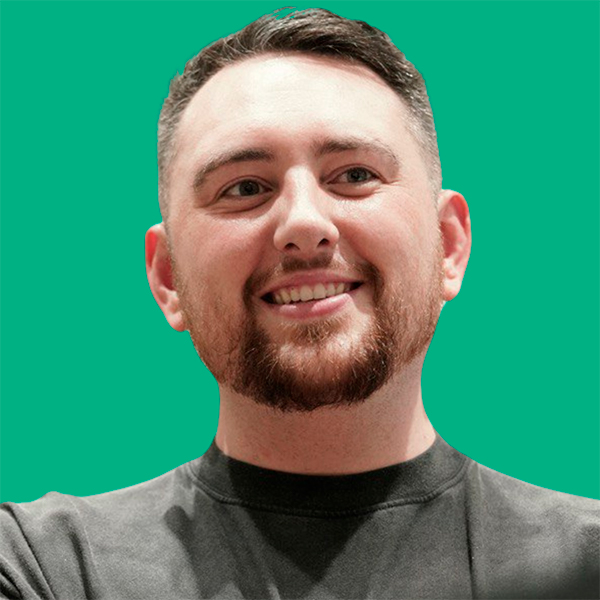
Jeremy Haynes
Owner and CEO of Megalodon Marketing
Jeremy Haynes is the founder of Megalodon Marketing. He is considered one of the top digital marketers and has the results to back it up.