Backend Selling Turn Confirmation Pages And Value Emails Into Revenue Before The Call
I hope you enjoy reading this blog post. If you want my team to just do your marketing for you, click here.
Author: Jeremy Haynes | Published May 13, 2026
Earnings Disclaimer: You have a .1% probability of hitting million-dollar months according to the US Bureau of Labor Statistics. As stated by law, we can not and do not make any guarantees about your own ability to get results or earn any money with our ideas, information, programs, or strategies. We don’t know you, and besides, your results in life are up to you. We’re here to help by giving you our greatest strategies to move you forward, faster. However, nothing on this page or any of our websites or emails is a promise or guarantee of future earnings. Any financial numbers referenced here, or on any of our sites or emails, are simply estimates or projections or past results, and should not be considered exact, actual, or as a promise of potential earnings – all numbers are illustrative only.
Most businesses treat confirmation pages like a receipt. Someone books a call, they see “Thanks, we’ll see you Thursday,” and that’s it. Same thing with the emails between booking and the actual conversation: pure logistics, zero monetization.
That’s leaving money on the table.
The window between when someone opts in or books a call and when you actually talk to them is one of the highest-intent moments in your entire funnel. They just took action. Their attention is piqued. Trust is forming. And most people do absolutely nothing with it.
I’m talking about backend selling: monetizing the space between the initial action and the sales conversation. This isn’t about being pushy. It’s about serving people who are already showing you they’re interested, and doing it in a way that creates additional touchpoints before you ever get on the phone.
At Master Internet Marketing, our 7-week live comprehensive training, we cover backend monetization as part of the broader funnel architecture framework. Let me walk you through exactly how this works.
7 weeks. Real frameworks. Covering copywriting, funnels, paid ads, and conversion systems.
Why the Window Between Booking and Calling Matters More Than You Think
What most people miss: when someone books a call with you, they’re not in research mode anymore. They’ve moved past that. They’re in action mode.
Think about your own behavior. When you book a call or sign up for something, you’re leaning in. You’re engaged. You’re thinking about the problem you’re trying to solve. That mental state doesn’t last forever. It peaks right after the action and then starts to decline.
Most funnels completely waste this window. They send a calendar invite and maybe a reminder email. Meanwhile, the prospect is sitting there, actively thinking about their problem, ready to consume more information, ready to take next steps.
This is where backend selling comes in. You’re serving someone who’s already raised their hand and said “I’m interested,” not interrupting someone who’s cold.
The confirmation page itself is the most engaged page in your entire funnel. One hundred percent of the people who see it just completed an action. Compare that to any other page where you’re fighting for attention. This page has earned attention already built in.
According to Baymard Institute’s research on order confirmation pages, the confirmation page is uniquely positioned to improve engagement and long-term retention because it reaches every single person who completed the action, at the exact moment they’re most receptive.
How to Structure a Confirmation Page That Actually Does Something
The simplest version first. After someone books a call, instead of just showing them a “you’re all set” message, you redirect them to a page with a short video, two to five minutes max.
In that video, you thank them for booking, you set expectations for what’s going to happen on the call, and then you introduce a relevant low-ticket offer. Something in the range that helps them with the exact problem they’re coming to you for.
This isn’t some random product. It’s directly related to what they’re going to talk to you about. If you’re running a marketing agency and they booked a strategy session, maybe it’s an ad account audit template pack. If you’re a coach and they booked a consultation, maybe it’s a pre-call action plan.
The offer sits right below the video with a simple buy button. If they purchase, they get immediate access since it’s a digital product, so delivery is instant. They get a receipt email that also reinforces the upcoming call.
If they don’t buy, they still got their confirmation. Nothing lost. But when you do this right, in my experience, the confirmation page becomes an active conversion point rather than a dead end.
The framework we teach covers how to structure these pages so the confirmation information is clear, the value proposition is direct, and the offer feels like a natural next step rather than an interruption.
What to Send Between Confirmation and the Actual Sales Call
Now, what happens between the confirmation page and the actual call. Most businesses send one or two reminder emails. Maybe a calendar link. That’s it.
I’m talking about running an actual value sequence. Three to five emails depending on how far out the call is booked. If someone books a call seven days out, you’ve got a full week to build trust, deliver value, and present additional offers.
The structure I use: first email goes out immediately after booking. It confirms the call, sets expectations, and includes a link to a free resource that introduces your methodology. No pitch yet, just pure value and confirmation that they made the right decision to book.
Second email, day one or two after booking. This is where you share a case study or proof element. You’re building authority. Then you include a soft pitch for a low-ticket resource: “If you want to go deeper on this before our call, I put together a framework that walks you through exactly how we approach this.”
Third email, day two or three. You address the number one objection or misconception your prospects have. You handle it directly, educate them, and then present a relevant offer. This could be the same offer from the confirmation page or something complementary.
Fourth email, day before the call. This is the reminder plus homework. You give them a pre-call checklist or some prep work that makes the call more valuable. You can include a final mention of the backend offer if they haven’t purchased yet.
Fifth email, day of the call. Logistics only. Clean, professional, no selling. Just the Zoom link and what to expect.
The key here is that every email delivers real value. The ratio should be mostly value with offers woven in naturally. You alternate: pure value email, then offer email, then pure value, then offer.
These emails get opened at a high rate. Research on transactional email performance shows that transactional and confirmation-style emails are opened up to 8 times more often than standard promotional sends. This is incredibly valuable real estate.
The Economics of Making Lead Generation Pay for Itself
The whole point of this system is to make your lead generation self-liquidating. That means the revenue you generate from these backend offers covers or exceeds the cost of acquiring the lead in the first place.
When you hit that point, everything changes. Your main offer (the high-ticket program, the retainer, the done-for-you service) becomes free from an acquisition standpoint.
A real scenario. You’re running ads to book strategy calls. Your cost per booked call is forty dollars. Without any backend selling, every call costs you forty dollars, and you need to close enough high-ticket deals to make that math work.
Now add backend selling. Some percentage of people buy an offer on the confirmation page. That’s money back per lead. Then your email sequence converts another segment to a mini-course. That’s roughly another few dollars per lead.
Your effective cost per booked call dropped. That’s a meaningful difference when you’re spending thousands or tens of thousands a month on ads.
And that’s with conservative numbers. Businesses I’ve worked with that really dial this in can get backend revenue per lead up substantially depending on the offer and the audience.
In our Inner Circle, we work through the actual funnel math with operators to identify where backend monetization fits into their specific model.
Results are not typical. Your results will vary and depend entirely on your individual capacity, business experience, expertise, and level of desire. There are no guarantees concerning the level of success you may experience. The testimonials and examples used are not intended to represent or guarantee that anyone will achieve the same or similar results. We don’t believe in get-rich-quick programs. We believe in hard work, adding value and serving others. As stated by law, we can not and do not make any guarantees about your own ability to get results or earn any money with our information, courses, programs, or strategies.
Why Selling Before the Call Actually Improves Show Rates
Something counterintuitive: selling something before the call actually increases show rates, not decreases them.
Most people think if you try to sell someone before the call, they’ll feel like you’re pushy and they’ll bail. The opposite is true if you do it right.
There are a few psychological mechanisms at play here. First, sunk cost. If someone spent money, even a small amount, they’re more invested. They’re more likely to show up because they’ve already committed financially.
Second, reciprocity. If you delivered real value through the product they bought or the emails you sent, they feel like you’ve already given them something. They’re more inclined to show up and engage.
Third, identity reinforcement. When someone buys something from you, even something small, they start to see themselves as a buyer, as someone who takes action. That identity shift makes them more likely to follow through on the call.
Funnels that include pre-call engagement and backend offers regularly see higher show rates than those that don’t. That alone can change your entire funnel economics. If you’re booking ten calls a week at a certain show rate, bumping that percentage means more conversations. Same ad spend, more sales opportunities.
Research from HubSpot indicates that engagement prior to scheduled meetings correlates with higher attendance rates across sales contexts. If you want to go deeper on the actual copy structure inside each send, value-dense email sequences that improve show rates covers exactly how to make each one of these emails earn its place in the sequence instead of just being a reminder.
What Types of Offers Actually Work in This Context
The question I get all the time is: what should the backend offer actually be?
It needs to be relevant, immediately useful, and complementary to your main offer, not competitive with it.
If you sell a high-ticket program, a low-ticket template doesn’t compete with that. It’s a stepping stone. It’s a taste. It reinforces the decision to explore the bigger offer.
The types of offers that work well:
- Templates, checklists, or audit frameworks. These are easy to create, high perceived value, and immediately actionable.
- Mini-courses or pre-work. A condensed version of your methodology or a specific module that prepares them for the main program.
- Workshop or masterclass replays. If you’ve done a live training before, package it as a low-ticket offer.
- Books or resource packs. If you’ve written a book or curated a set of resources, this works well as a tripwire.
- Community access. A paid group or community where they can get support before and after the call.
If you don’t have your own product yet, you can even use affiliate offers: recommend a tool or resource that’s helpful and relevant to their problem. You’re still providing value and generating revenue.
The sweet spot for pricing is usually between accessible and meaningful. Low enough to be an impulse buy, high enough to meaningfully offset ad costs. Some businesses go higher with a payment plan option, especially if the offer includes more content or access. The same pricing logic that governs a full low-ticket-to-high-ticket ascension funnel applies here at a smaller scale: price it low enough to remove friction, but not so low that it attracts the wrong buyer for what comes next.
How Backend Buyers Change Your Sales Conversations
Where this gets really powerful is on the sales side. When someone purchases a backend offer, you tag them in your CRM. Then you brief your sales team or your closers: “This person already bought the action plan, they’re pre-sold, reference it on the call.”
Now your closer can open the conversation with: “Hey, I saw you grabbed the ad account audit template, what did you think? That’s actually a small piece of what we do in the full program.”
You’re not starting from zero. You’re starting from a place where they’ve already said yes once. They’ve already pulled out their credit card. They’ve already experienced value from you.
That changes the entire dynamic of the sales call. You’re not convincing them you’re credible. You’re just showing them the next logical step.
Businesses I’ve worked with that implement this see a noticeable difference in close rates between people who bought a backend offer and people who didn’t. The backend buyers are warmer, more engaged, and they close at a different rate, which ties directly into the psychology behind why prospects show up and buy at high ticket in the first place: pre-existing commitment from a backend purchase is one of the strongest show-rate and close-rate levers a closer can walk into a call with.
Mistakes That Kill Backend Selling Before It Even Starts
What not to do, because I see these mistakes all the time.
First, don’t offer something irrelevant. If someone books a call about Facebook ads and you try to sell them a course on email marketing, that’s confusing, not complementary. The backend offer has to be directly related to the problem they’re trying to solve.
Second, don’t bury the confirmation information. The confirmation page still needs to confirm the call. Don’t make it so salesy that people can’t find the actual details about when and how they’re meeting with you. The offer should be clear, but the logistics should be even clearer.
Third, don’t send a bunch of emails with no value. If every email is just a pitch, you’re going to burn the list and tank your show rate. The emails need to actually help people. Teach something. Share a case study. Address an objection. Then present the offer as a natural next step.
Fourth, don’t fail to track this separately. You need to know exactly how much revenue is coming from confirmation pages versus emails versus the main offer. If you’re not tracking it, you can’t optimize it. Use separate products in Stripe, use UTM tags, whatever, just make sure you can see the numbers.
Fifth, don’t assume this won’t work for your business model. I’ve seen this work for agencies, consultants, coaches, SaaS companies, service businesses, any model where you’re booking calls. The backend offer just needs to fit the context.
The Step-by-Step Framework for Building This Into Your Funnel
The simplest way to get started with this if you’re not doing it yet.
Step one: create one low-ticket offer. It doesn’t have to be elaborate. A template, a checklist, a recorded training. Something you can deliver digitally and immediately.
Step two: build a confirmation page with a short video. Thank them for booking, set expectations for the call, introduce the offer. Put a buy button below the video.
Step three: set up three to four emails between booking and the call. Email one confirms and delivers free value. Email two shares proof and soft-pitches the offer. Email three handles an objection and presents the offer again. Email four is the reminder with logistics.
Step four: track everything. Confirmation page conversion rate, email sequence conversion rate, revenue per lead, show rate. You need to know what’s working.
Step five: optimize. Test different offers, different price points, different email copy. This isn’t set-it-and-forget-it. You dial it in over time.
The minimum viable version of this (one offer, one confirmation page, three emails) can be built in a weekend. You don’t need a huge product suite. You don’t need a complex funnel. You just need to stop treating the space between opt-in and sales call like dead air.
At Megalodon Marketing, when we build funnels for clients, this backend monetization layer is part of the standard architecture. It’s foundational to how modern acquisition funnels should be structured.
How the Numbers Actually Compound When You Add Backend Revenue
Bringing this full circle with the actual math, because that’s what makes this real.
Let’s say you’re spending five thousand dollars a month on ads. You’re getting a hundred and twenty-five booked calls. Your show rate is around industry standard, so you’re getting a certain number of actual conversations. You close a percentage of those.
Now you add backend selling. Confirmation page converts at a certain percentage on an offer. Email sequence converts at another percentage on the same offer. You’re generating additional revenue per lead in backend sales.
That revenue reduces your effective ad spend. Your cost per booked call drops.
But it doesn’t stop there. Your show rate goes up because people are more engaged. Now you’re getting more conversations from the same number of booked calls. Same ad budget. More conversations. More closes. Lower effective cost per acquisition. That’s the compounding effect of backend selling.
And I’m using conservative numbers here. Businesses that really optimize this can push backend revenue per lead even higher and show rates into higher ranges.
Already making money? See what it takes to make a lot more.
Backend Selling Is How Funnels Should Be Built From Day One
Backend selling isn’t a hack. It’s not some shiny object. It’s basic funnel economics applied to the highest-intent moment in your entire customer journey.
You’re already paying to get people to book calls. You’re already sending them emails. You’re already putting them on a confirmation page. The only question is whether you’re going to monetize that real estate or leave it sitting there doing nothing.
The businesses that win in paid acquisition are the ones that extract value at every stage. They make money on the way to the close, which makes the close itself easier and more profitable.
If you’re running any kind of funnel that involves booked calls (strategy sessions, consultations, demos, discovery calls), this applies to you. Build the offer, build the page, build the sequence, and start tracking the numbers.
The gap between where you are now and where you could be is probably just a confirmation page and a few emails.
If you want to see how this fits into a complete funnel system, Master Internet Marketing walks through the entire architecture in our 7-week live comprehensive training. We cover backend monetization, email sequencing, offer structuring, and how all the pieces connect. For operators who want to go deeper and work directly on implementation, our Inner Circle provides the framework and support to build these systems into your business.
Results are not typical. Your results will vary and depend entirely on your individual capacity, business experience, expertise, and level of desire. There are no guarantees concerning the level of success you may experience. The testimonials and examples used are not intended to represent or guarantee that anyone will achieve the same or similar results. We don’t believe in get-rich-quick programs. We believe in hard work, adding value and serving others. As stated by law, we can not and do not make any guarantees about your own ability to get results or earn any money with our information, courses, programs, or strategies.
Get my content first on Google
Add jeremyhaynes.com as a preferred source and Google shows my articles more prominently in your search results, including AI Overviews and AI Mode.

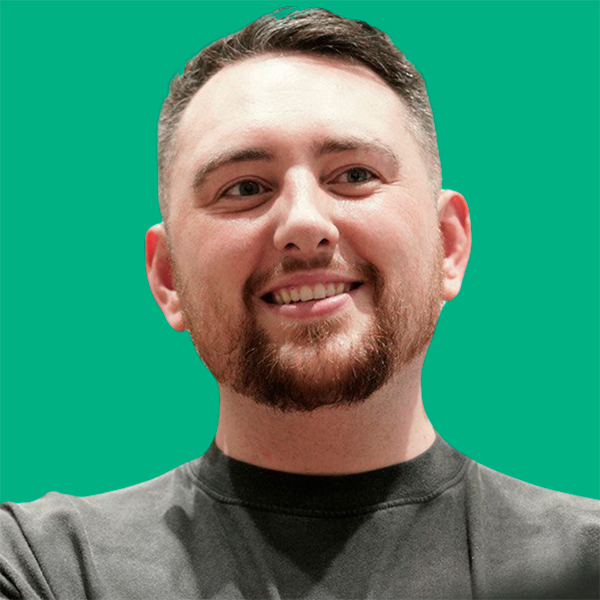
Jeremy Haynes
Owner and CEO of Megalodon Marketing
Jeremy Haynes is the founder of Megalodon Marketing. He is considered one of the top digital marketers and has the results to back it up.