How to Build a Low Friction Lead Generation System That Fills Your Calendar Every Day
I hope you enjoy reading this blog post. If you want my team to just do your marketing for you, click here.
Author: Jeremy Haynes | Published July 16, 2026

Earnings Disclaimer: You have a .1% probability of hitting million-dollar months according to the US Bureau of Labor Statistics. As stated by law, we can not and do not make any guarantees about your own ability to get results or earn any money with our ideas, information, programs, or strategies. We don’t know you, and besides, your results in life are up to you. We’re here to help by giving you our greatest strategies to move you forward, faster. However, nothing on this page or any of our websites or emails is a promise or guarantee of future earnings. Any financial numbers referenced here, or on any of our sites or emails, are simply estimates or projections or past results, and should not be considered exact, actual, or as a promise of potential earnings, all numbers are illustrative only.
Most businesses treat lead generation like it’s some mystical art form. They overcomplicate everything, add seventeen steps between a prospect seeing their offer and actually booking a call, then wonder why their calendar looks like a ghost town.
Friction kills conversions faster than anything else. Every extra form field, every additional page, every moment of hesitation is costing you booked calls.
The difference between a calendar that fills daily and one that stays empty isn’t about working harder or posting more content, and it isn’t about the traffic source or the qualification questions either, both of which we’ve broken down in full elsewhere. It’s about removing the friction sitting between a good-fit prospect and a booked call, without gutting the quality of who shows up. That’s what we’re breaking down here.
We cover these frameworks and operational systems in depth inside Master Internet Marketing, our 7-week live comprehensive training where we walk through the mechanics of building lead generation systems that run consistently.
7 weeks. Real frameworks. Covering copywriting, funnels, paid ads, and conversion systems.
What Low Friction Actually Means (and Why Every Extra Step Costs You Leads)
Low friction doesn’t mean low quality. That distinction matters, because this is where most people get confused.
Friction is every point where a prospect has to stop, think, decide, or exert effort before booking a call with you. It’s the twelve-field application form. It’s the vague “let’s chat about your business” offer that makes people wonder if they’re walking into a sales pitch. It’s the three-day wait before someone responds to their inquiry.
Every one of these friction points gives your prospect a reason to bounce. They’re busy, they’re distracted, and they’ve got seventeen other tabs open. The more you make them work to book a call, the fewer calls you’ll book. But removing friction doesn’t mean accepting garbage leads, it means being strategic about where you filter and where you flow, which is its own topic we’ve covered in depth separately.
Think about it from a psychology standpoint. Decision fatigue is real. When you ask someone to fill out a long form, then watch a thirty-minute video, then schedule a call three weeks out, you’re stacking cognitive load on someone who’s already busy and distracted. Research on form fatigue and conversion behavior found that asking for the least amount of information upfront, and saving everything else for after someone’s already committed, consistently increases the number of people who actually complete the process. Each additional decision point is a fresh opportunity for someone to just close the tab and move on.
The Five Core Components Every Calendar-Filling System Needs to Run Daily
This isn’t about tactics. It’s about systems. A tactic might fill your calendar for a week. A system fills it every single day without you manually grinding for each appointment.
Every calendar-filling system needs five core components, and missing even one is usually why the whole thing falls apart:
Traffic source: paid ads, organic content, outbound, referrals, whatever, but it needs to be consistent. You can’t fill a calendar daily with sporadic traffic.
Offer: it should make sense to engage with right now. Not a vague “free consultation,” but something specific that solves an immediate problem or answers an urgent question.
Conversion mechanism: this is your landing page, your DM flow, your VSL, whatever takes someone from interested to action. It needs to be dead simple.
Frictionless booking mechanism: a direct calendar link, minimal form fields, multiple available times. Make it stupid easy to pick a slot.
Automated follow-up: most people don’t convert on first touch. If you’re not following up, you’re leaving opportunities on the table.
Here’s what this looks like in practice. Traffic hits a page with a two-minute video explaining exactly what they’ll get on the call. Below the video is a calendar with three qualifier questions: name, email, and one question that actually matters for qualification. That’s it. They pick a time, they’re booked, and the follow-up sequence kicks in automatically. This is the same core shape as any call funnel, just built with friction as the filter instead of an application form.
How to Use Micro Commitments Instead of Asking for Everything Up Front
Instead of asking for a massive commitment upfront, stack small yeses. This is how you reduce friction while still moving people toward booking.
Traditional funnels ask for too much too fast: name, email, phone number, company size, revenue, biggest challenge, before someone even knows what they’re signing up for. Each field is another decision point, another moment where someone can bail.
The micro-commitment approach works differently. Someone sees an ad and clicks, that’s commitment one. They watch a short video, that’s commitment two. They answer two qualifier questions, that’s commitment three. They pick a time slot, that’s commitment four.
Each step feels easy and natural on its own. There’s no single moment where someone thinks “wow, this is a lot of work,” because they’re just flowing through a sequence that makes sense one step at a time. Compare that to hitting someone with a fifteen-field application before they even know if you can help them. That’s not qualification, that’s friction disguised as professionalism.
How to Position Your Call Offer So People Actually Want to Book
The offer itself creates or removes friction. How you frame what happens on the call matters more than most people realize.
“Free strategy session” is high friction because everyone knows it’s code for “I’m going to pitch you.” People are skeptical before they even book. Reframe it into a specific audit instead: “I’ll review your ad account and show you the three biggest opportunities I see.” That’s tangible. That’s something someone can visualize getting value from even if they never buy.
Or flip the power dynamic entirely. “Quick fifteen-minute call to see if you qualify” positions you as selective, not desperate. It reduces friction because now the prospect is trying to get approved rather than avoiding a sales pitch.
Specificity always reduces friction. “I’ll show you the gaps in your Facebook ad targeting” beats “let’s chat about your marketing” every single time. Vague offers create uncertainty, uncertainty creates friction, and friction kills bookings. The offers that fill calendars daily make people think “yeah, I want that,” not “I guess I should probably do this at some point maybe.”
Why Speed to Lead Is the Friction Point Nobody Talks About
Most businesses respond in hours or days. By the time they follow up, the lead has already talked to three competitors, lost interest, or forgotten they even inquired.
Speed to lead is one of the biggest friction reducers that nobody talks about. When someone books a call and immediately gets a confirmation with a personal video, that’s low friction. When they book and hear nothing for six hours, that’s friction. Research published in Harvard Business Review on the lifespan of online sales leads found that response speed is one of the single biggest predictors of whether a lead ever converts, with contact attempts made in the first few minutes dramatically outperforming anything that follows.
This is where automation becomes critical. Instant email confirmation. SMS within minutes. A personal Loom video sent automatically through your CRM. These aren’t nice-to-haves, they’re the difference between a system that works and one that leaks leads.
How to Build a Booking Page That Doesn’t Leak Prospects
Every additional form field reduces conversions. Think about what that means if you’ve got eight fields on your booking page.
The optimal booking flow is name, email, and one to two qualifying questions maximum before showing available times. That’s it. Anything else is costing you bookings. Embed the calendar directly on the page rather than linking out to a separate scheduling tool, since every click to a new page is a chance for someone to get distracted and bounce.
Offer multiple time slots across multiple days. If you only have two slots available next week, you’re creating artificial scarcity that just frustrates people. Same-day or next-day availability dramatically increases show rates too. Someone who books a call seven days out has way more time to change their mind, get busy, or just forget. Someone who books for tomorrow is way more likely to show up, and we’ve broken down the deeper mechanics of why confirmation-page timing moves show rates in its own piece.
What to Do With the People Who Don’t Book Immediately
Only a small percentage of traffic converts on first visit. If you’re not following up with everyone else, you’re building a leaky bucket.
Retargeting ads to people who visited your booking page but didn’t schedule keeps you top of mind, since they’re already warm, they just needed more time or got distracted. Email and SMS nurture sequences that deliver value, not just pitches, build trust over time: case studies, common objections answered, quick wins they can implement immediately.
Most reps give up too early. Lead response research from InsideSales found that businesses drop roughly 30% of potential leads after just a few contact attempts, while making contact a few more times increases the odds of reaching someone significantly, up to a 90% chance of connecting by the sixth attempt. Just by following up consistently past that first or second attempt, you’re already ahead of most of your competition. A simple five-touch sequence across five days, mixing email, SMS, and even a voicemail drop, catches most of the leads that a single follow-up attempt would lose entirely.
How to Reduce No-Shows Once Your Calendar Is Full
A full calendar means nothing if half the people don’t show up.
A confirmation video sent immediately after booking makes a massive difference. Thirty to sixty seconds, personal, excited to meet them, creates a human connection before the call even happens. SMS reminders twenty-four hours and one hour before the call are non-negotiable. Email alone doesn’t cut it. People live on their phones.
Assigning homework or a pre-call task paradoxically increases show rates. It adds a tiny bit of friction, but it creates commitment: “before our call, take five minutes to write down your three biggest challenges” makes someone invested in the call before it even starts. Restate the value in every reminder too. Don’t just say “reminder: you have a call tomorrow.” Say what the call will actually cover. If your calendar already has dead slots from people who booked and vanished, the fix usually isn’t more traffic, it’s a dead-calendar repair system applied to the bookings you’re already getting.
Results are not typical. Your results will vary and depend entirely on your individual capacity, business experience, expertise, and level of desire. There are no guarantees concerning the level of success you may experience. The testimonials and examples used are not intended to represent or guarantee that anyone will achieve the same or similar results. We don’t believe in get-rich-quick programs. We believe in hard work, adding value and serving others. As stated by law, we can not and do not make any guarantees about your own ability to get results or earn any money with our information, courses, programs, or strategies.
Already making money? See what it takes to make a lot more.
What This Looks Like When It’s Actually Running
You’re spending money on ads or creating organic content that drives traffic to a simple page. That page has a short video explaining exactly what someone will get on the call and why it matters. Below the video is your calendar with three fields: name, email, one qualifier question. They pick a time, they’re instantly confirmed via email and SMS, and within an hour they get a personal video restating what to expect.
Everyone who hits the page but doesn’t book goes into a retargeting audience and a five-touchpoint email and SMS sequence over five days. Twenty-four hours before each call, automated reminders go out, then another one an hour before, each one restating the value and making rescheduling easy if needed. This runs every single day without anyone manually doing anything except showing up for the calls. That’s the difference between a system and a tactic.
Most businesses overcomplicate this. They add steps because they think more complexity equals more professionalism. It doesn’t. It equals fewer bookings and more frustration. The simplest version of this that could possibly work is probably better than the complex version you’re building: one traffic source, one simple page, one clear offer, one calendar link, one follow-up sequence. Start there, optimize from there, but start simple. In our Inner Circle mastermind, we walk through exactly how to build and automate this system end to end. If you want the complete framework, including the templates, automation sequences, and exact booking page structures we use, Master Internet Marketing covers all of it in our 7-week live comprehensive training.
Results are not typical. Your results will vary and depend entirely on your individual capacity, business experience, expertise, and level of desire. There are no guarantees concerning the level of success you may experience. The testimonials and examples used are not intended to represent or guarantee that anyone will achieve the same or similar results. We don’t believe in get-rich-quick programs. We believe in hard work, adding value and serving others. As stated by law, we can not and do not make any guarantees about your own ability to get results or earn any money with our information, courses, programs, or strategies.
Get my content first on Google
Add jeremyhaynes.com as a preferred source and Google shows my articles more prominently in your search results, including AI Overviews and AI Mode.

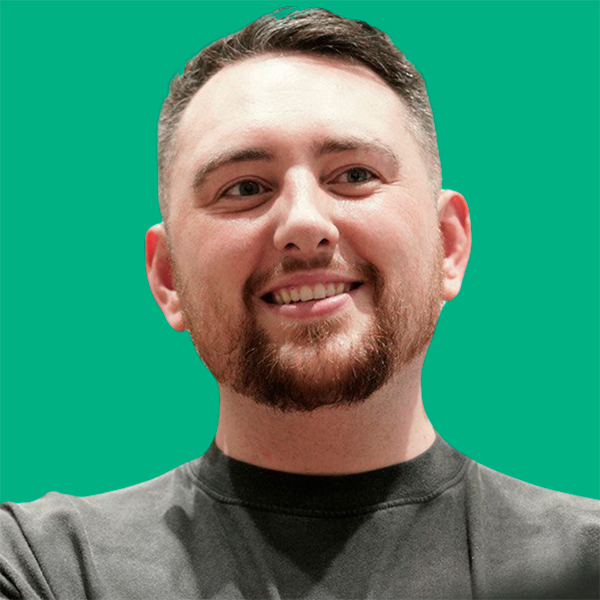
Jeremy Haynes
Owner and CEO of Megalodon Marketing
Jeremy Haynes is the founder of Megalodon Marketing. He is considered one of the top digital marketers and has the results to back it up.