Conversion Mechanisms
Conversion mechanisms are the specific psychological and structural elements in your marketing that actually get people to take action. This includes things like scarcity and urgency that create fear of missing out, social proof that reduces perceived risk, clear calls to action that tell people exactly what to do next, friction reduction that makes taking action easy, value demonstration that makes the offer feel worth it, and trust building that overcomes skepticism. Every high converting funnel or sales process has multiple conversion mechanisms working together to move people from consideration to action.
Stacking Mechanisms For Higher Conversion
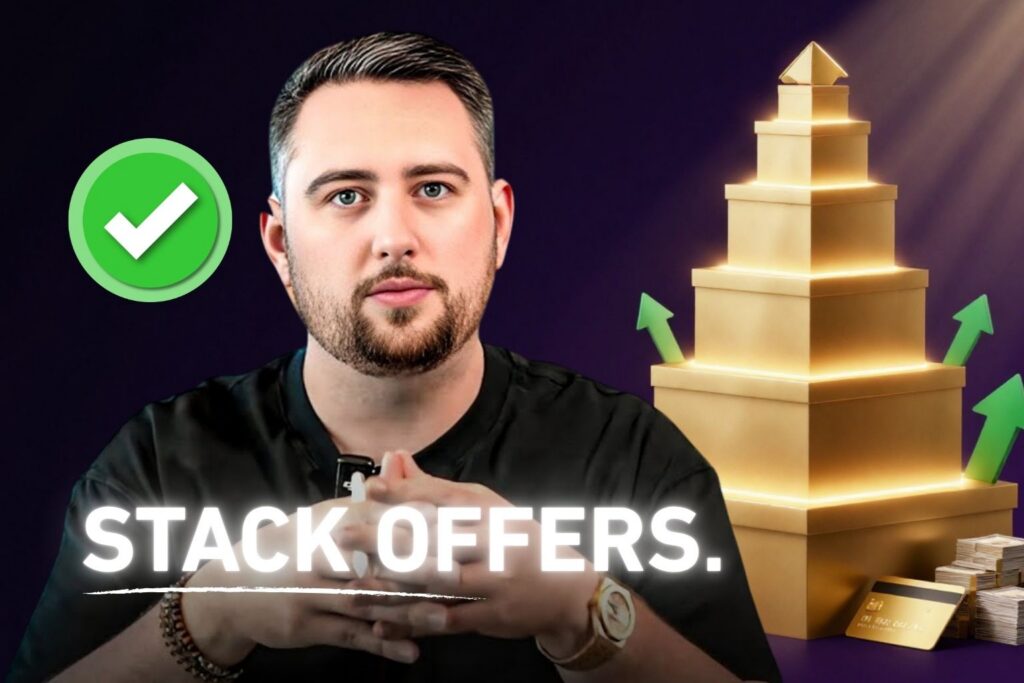
The most effective marketing doesn’t rely on a single conversion mechanism. It stacks multiple mechanisms that work together to overcome different objections and motivations. You might use scarcity to create urgency, testimonials to build trust, a guarantee to reduce risk, a bonus to increase perceived value, and a clear deadline to force a decision. Each mechanism addresses a different reason someone might hesitate, and together they create enough momentum to get people over the line. Understanding which mechanisms are most effective for your audience and offer is how you systematically improve conversion rates.
Testing What Actually Works
Different audiences respond to different conversion mechanisms, so what works for one business might not work for yours. Some audiences are highly motivated by scarcity while others see it as manipulative. Some need extensive social proof while others make decisions quickly with minimal validation. The only way to know what works is to test. Add mechanisms one at a time, measure the impact, and double down on what moves the needle. Over time you’ll develop an understanding of what drives your specific audience to convert, and you can engineer every offer around those mechanisms.