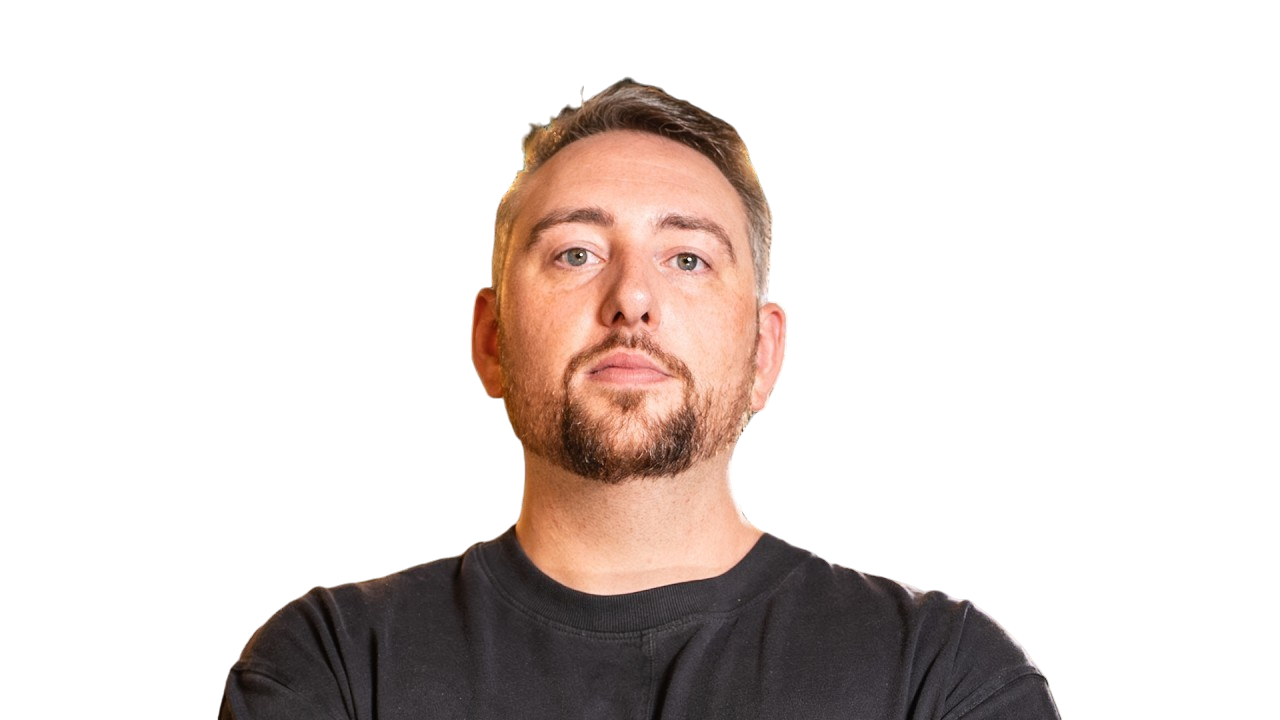
Jeremy Haynes Reveals the Marketing Content He Created for Fresh & Fit and Why Controversy Sells

I hope you enjoy reading this blog post. If you want my team to just do your marketing for you, click here.
Author: Jeremy Haynes | Published April 1, 2026

Haynes discusses the viral marketing strategy behind Fresh & Fit’s polarizing content, how he engineered attention through calculated controversy, and why most creators are too afraid to use the tactics that actually work.
Earnings Disclaimer: You have a .1% probability of hitting million-dollar months according to the US Bureau of Labor Statistics. As stated by law, we can not and do not make any guarantees about your own ability to get results or earn any money with our ideas, information, programs, or strategies. We don’t know you, and besides, your results in life are up to you. We’re here to help by giving you our greatest strategies to move you forward, faster. However, nothing on this page or any of our websites or emails is a promise or guarantee of future earnings. Any financial numbers referenced here, or on any of our sites or emails, are simply estimates or projections or past results, and should not be considered exact, actual, or as a promise of potential earnings – all numbers are illustrative only.
Jeremy Haynes doesn’t shy away from admitting he helped create what he calls “propaganda” for Fresh & Fit, one of the most controversial podcast brands on the internet. In a candid breakdown of his marketing work with the polarizing show, Haynes pulls back the curtain on how he engineered viral content designed to trigger reactions, drive attention, and ultimately build a massive audience through calculated controversy.
How Jeremy Haynes Started Working With Fresh & Fit
Haynes first connected with Fresh & Fit before they became the cultural lightning rod they are today. At the time, they were a smaller podcast trying to break through in the crowded men’s lifestyle space.
“I saw an opportunity to amplify what they were already doing,” Haynes explained. The show’s hosts weren’t interested in playing it safe or appealing to everyone. That gave Haynes the creative freedom to build a marketing machine around their most provocative takes.
He recognized early that controversy wasn’t a bug in their content strategy. It was the central feature. Instead of softening their message to avoid backlash, Haynes leaned into it, engineering clips and narratives designed to maximize polarization.
The Strategy Behind Creating Viral Propaganda Content
Haynes described his approach as deliberate “propaganda” because it wasn’t about balanced discourse. It was about capturing attention and driving engagement through emotional triggers.
“We weren’t trying to be fair. We were trying to be viral,” he said.
The content strategy revolved around taking the most inflammatory moments from each podcast episode and packaging them for maximum shareability. Haynes and his team would pull quotes, create short-form clips, and craft headlines that forced people to have a reaction, whether positive or negative.
The goal wasn’t to convince everyone. It was to make sure no one could ignore them. Every piece of content was designed to spark debate, generate shares, and pull people into the Fresh & Fit ecosystem.
Why Controversy Works Better Than Safe Content
Haynes has built his career understanding one core truth about modern media: safe content gets ignored; controversial content gets shared, debated, and ultimately drives more revenue than anything polished and neutral.
“If you’re not making someone mad, you’re not making money,” Haynes noted.
He pointed out that most creators and brands are terrified of backlash, so they sand down their message until it’s inoffensive and forgettable. But in an attention economy, forgettable is the worst thing you can be.
Fresh & Fit’s willingness to be polarizing allowed them to cut through the noise in a way that safe, middle-of-the-road content never could. Haynes engineered the marketing to amplify that polarization, knowing that even people who hated the show were contributing to its growth by sharing clips and arguing about them online.
The Business Model Behind Polarizing Content
Haynes made it clear that this wasn’t just about ego or attention for its own sake. The controversy was a deliberate business strategy designed to build an audience that could be monetized.
Fresh & Fit used the viral clips and social media debates to drive traffic to their podcast, which then funneled listeners into paid products, memberships, and sponsorships. The more people argued about the show, the more visibility it received, and the more money it generated.
“Attention is the currency. Everything else is downstream,” Haynes explained.
He also noted that polarizing content creates a more engaged audience. The people who love the show don’t just passively consume it. They defend it, share it, and become part of a community. That level of engagement is far more valuable than a larger but apathetic audience.
What Most Marketers Get Wrong About Controversy
Haynes acknowledged that most marketers misunderstand how to use controversy effectively. They either avoid it entirely or use it recklessly without a strategy.
The key, according to Haynes, is intentionality. Controversy for its own sake is just noise. But controversy that aligns with your brand message and attracts the right audience can be a rocket ship.
“You have to know who you’re trying to attract and who you’re willing to repel,” he said. Fresh & Fit wasn’t trying to appeal to everyone. They were building a specific audience of men who resonated with their message, and they were willing to alienate everyone else to do it.
Haynes also emphasized the importance of consistency. You can’t be controversial one day and apologize the next. The audience has to trust that you mean what you say, even if it’s divisive.
Why Jeremy Haynes Calls It Propaganda Without Apology
Haynes didn’t use the word “propaganda” as a criticism. He used it as an accurate description of what he was hired to do: create content that advanced a specific narrative and drove a specific outcome.
“All marketing is propaganda to some degree,” Haynes said. The difference is whether you’re honest about it.
He argued that most brands pretend their marketing is neutral or educational when it’s really designed to sell. Haynes prefers to be transparent about the fact that his content is engineered to persuade, provoke, and drive action.
In the case of Fresh & Fit, that meant creating clips and narratives that reinforced the show’s core message and attracted the audience most likely to engage with it. Whether people agreed with the message or not was irrelevant. The goal was to make sure they couldn’t ignore it.
Haynes wrapped up by connecting his work with Fresh & Fit to a broader philosophy about marketing and attention. In a world where everyone is competing for eyeballs, the brands that win are the ones willing to take a stand, even if it means making enemies. The worst thing you can do is try to please everyone and end up mattering to no one.
Get my content first on Google
Add jeremyhaynes.com as a preferred source and Google shows my articles more prominently in your search results, including AI Overviews and AI Mode.


Jeremy Haynes
Owner and CEO of Megalodon Marketing
Jeremy Haynes is the founder of Megalodon Marketing. He is considered one of the top digital marketers and has the results to back it up.