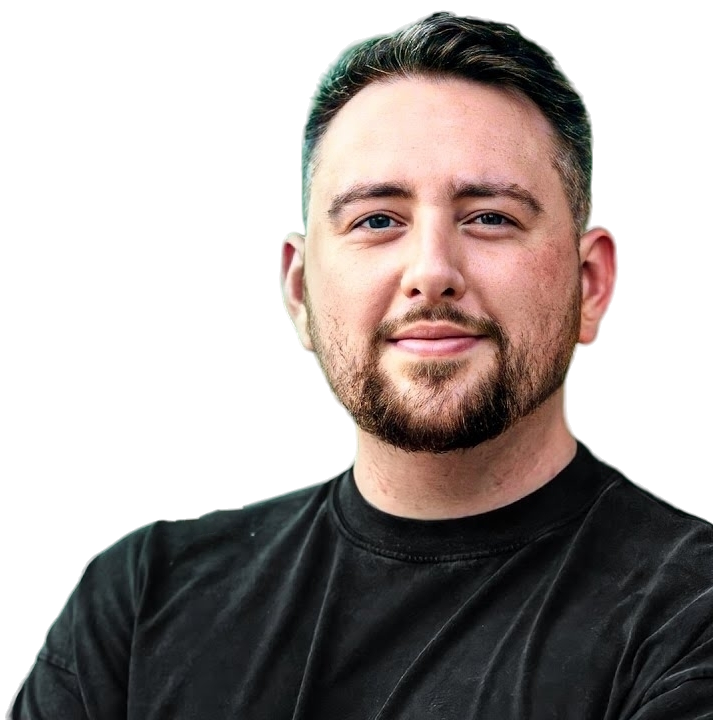
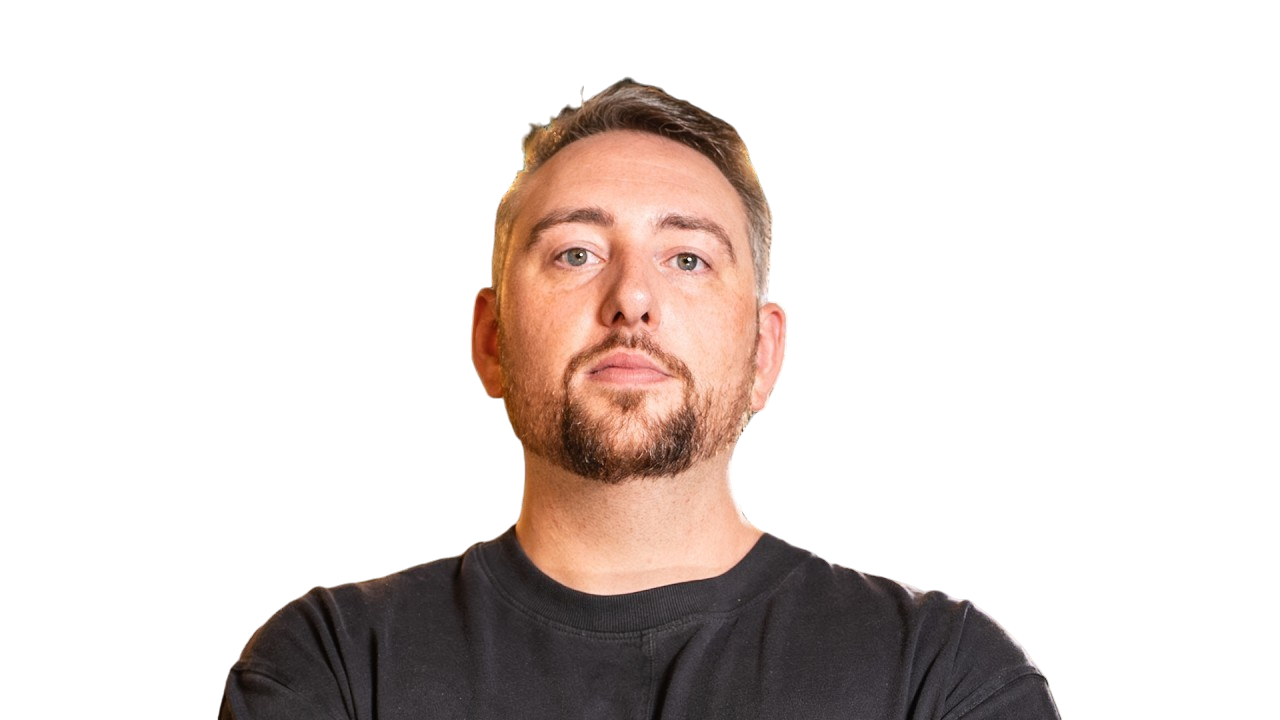
Jeremy Haynes Reveals His Four-Part Backend Selling System That Increased Show Rates 30% at Cody Sanchez’s Event

I hope you enjoy reading this blog post. If you want my team to just do your marketing for you, click here.
Author: Jeremy Haynes | Published November 28, 2025

Earnings Disclaimer: You have a .1% probability of hitting million-dollar months according to the US Bureau of Labor Statistics. As stated by law, we can not and do not make any guarantees about your own ability to get results or earn any money with our ideas, information, programs, or strategies. We don’t know you, and besides, your results in life are up to you. We’re here to help by giving you our greatest strategies to move you forward, faster. However, nothing on this page or any of our websites or emails is a promise or guarantee of future earnings. Any financial numbers referenced here, or on any of our sites or emails, are simply estimates or projections or past results, and should not be considered exact, actual, or as a promise of potential earnings – all numbers are illustrative only.
Jeremy Haynes spoke at Cody Sanchez’s headquarters in Austin, breaking down what he calls backend selling systems to a room full of established entrepreneurs. The four-part framework focuses on one core principle: getting people the right information at the right time so sales calls become actual sales conversations instead of education sessions. When implemented correctly, these systems increase show rates by 30%, shorten sales cycles, and flip leads from skeptical to ready to buy.
Why People Scan Before They Buy and Justify After
Haynes opened with a framework that explains why people behave completely differently before and after taking action. Before someone books a call, opts into a webinar, or buys a low-ticket product, they’re in what he calls scanner mode. They’re conserving energy, making quick decisions about whether something is for them or not.
“We all bias towards energy conservation,” Haynes explained. That’s why people don’t watch full video sales letters or consume everything on a landing page before opting in.
But once they take that action, everything changes. They move into justification mode, where they’re trying to determine if what they just did was worth the further energy they’re about to spend. This is when they start researching, asking questions, and deciding whether to show up or ghost.
The problem? Most businesses send nothing but reminder emails during this critical window. They miss the opportunity to provide information that would actually make someone prioritize the call or webinar over everything else competing for their attention.
The Dermatologist on the Plane Beats Any Statistic
Haynes illustrated the power of framing with a comparison. Men have a 50% higher chance of getting skin cancer than women. That’s a real statistic. Does it make anyone actually go get checked? Probably not.
Now imagine you’re on a plane sitting next to a dermatologist. He looks at your arm and says he’s a little concerned about a mole he noticed. “Not trying to freak you out or anything, but you should go see a professional and get it checked out,” the dermatologist tells you.
Would that make you take action? Absolutely.
The difference isn’t just the information. It’s the frame. It’s contextual, personal, and highly believable. That’s what backend selling systems accomplish by getting the right information to leads at the right time in the right way.
Nine Days of Reminder Emails Cost a $115K Sale
Haynes shared his own experience as a prospect to demonstrate how most businesses blow it. He pays $115K monthly in taxes and occasionally gets hit with ads from people promising to legally reduce his tax burden to near zero while staying in the United States.
One ad got him. The messaging resonated. “You’re rich now. You don’t just need a CPA and tax attorneys and bookkeepers. You need a tax strategist.”
He booked the call. It was nine days out. Over those nine days, he got nothing but reminder emails. No information about how the strategy worked, no case studies, no reassurance that he wouldn’t go to prison.
So he researched on his own. ChatGPT, Google, YouTube videos. They all told him the same thing: not possible, you’ll go to jail. “Do you think I showed up for the call?” Haynes asked. He didn’t.
Another month passed. Another $115K wire to the IRS. Another ad, this time about setting up a Dubai corporation to offshore profits while staying in America. This one gave him 72 hours until the call. Still nothing but reminder emails, plus a few videos that made him think he’d end up in prison.
He didn’t show up for that one either.
Then Carlton, who turned out to be one of Haynes’s Inner Circle members, ran a similar ad. This time, Carlton got him all the right information. The messaging was clear about legal strategies that wouldn’t land him in jail. Haynes ended up spending $5K monthly with Carlton’s fractional CFO and tax strategist service. His tax liability dropped from $150K monthly to $115K, and he figured out better ways to handle estimated payments instead of just giving money to the IRS.
“The right information finally led me to taking action and not think I’m going to go to jail,” Haynes said.
One Video Moved Show Rates 14% Without Being Watched
Haynes works with a client named J who teaches co-living real estate investing. The strategy involves setting up professional roommate situations in major cities, maximizing returns while addressing affordable housing challenges.
The key piece of information J’s team discovered? Major markets including Austin, Denver, Washington DC, Miami, and Chicago had recently rolled back housing restrictions that previously prevented investors from taking advantage of co-living opportunities.
Haynes put that information into a video on J’s confirmation page. The video asked a simple question: who makes the most money when housing restrictions get rolled back? First movers. Big money and smart money move first.
That single eight-minute video increased show rates by 14%. The interesting part? Only 52% of people even watched it. Half the audience never pressed play, yet the impact was massive.
J’s confirmation page also had 19 other videos answering basic questions about co-living, explaining the difference between co-living and similar concepts like PadSplit, and walking through property conversion case studies. Those 19 videos only moved the show rate 2% before the urgency video was added.
But after adding the highly believable urgency message at the top, consumption of those 19 supporting videos increased dramatically. “People don’t give a shit about the random information until they have an urgency-based, highly believable reason to give a shit about the information,” Haynes explained.
Urgency Gets a Leak Fixed in a Day, a Sign in Two Months
Haynes bought an 8,000 square foot building in Miami. He spent half a million dollars over two months renovating it, including a 220-inch LED 4K wall, $50K in audio equipment, HVAC, fire sprinkler systems, and custom flooring.
Earlier this month, it started raining. A solid stream of water, not a drip or leak, came pouring through the wall right by the pool table he’d installed. How fast did he call a contractor? Immediately. That wall was stuccoed and patched the next day before the next rain could cause more damage.
At the same time, he wanted a circular neon sign on his black wood-paneled wall that said “get richer” at the top. He got the building in late July. That neon sign? It’s the last thing on his list. It’ll be done, but it’s going to take two full months from when he first thought about it.
Why the difference? Urgency. The leak was an immediate problem threatening his investment. The neon sign was nice to have but not urgent.
But here’s where it gets interesting. The screen company and audio equipment suppliers told him orders would take 10 weeks to manufacture and deliver. That created urgency. He ordered immediately. They had everything installed and working within two weeks.
“They got me with my own system,” Haynes admitted.
The neon sign companies told him they could get it done in a couple days and hand deliver it. No urgency created. They’re last on the list.
Six Emails a Day Works If the Content Actually Delivers
Most businesses send garbage emails between the time someone books a call and when the call happens. Reminder emails. Logistical details. Nothing that actually builds trust or provides value.
Haynes takes a different approach. Open rates on emails sit around 50% to 70% if you have good deliverability. Click-through rates are low. That means people are consuming content in the inbox itself, not clicking through to external links.
So instead of writing short emails with links to videos, Haynes writes the entire video script into long value-oriented emails. He’ll send up to six of these per day between when someone books a call and when the call occurs.
“You might be like, holy shit, I would unsubscribe,” Haynes acknowledged. But if the content is actually valuable, people appreciate it. If someone is an ideal customer for the product and they open the email, they’re getting exactly what they need to know.
He usually starts with three to four emails per day and tests adding more. If open rates hold when adding a fourth email, he keeps it. If open rates drop dramatically, he rolls it back or changes the subject line.
The key is making sure the emails are genuinely valuable. If they suck, people will email back complaining. If they’re good, they establish trust and answer objections before the sales call ever happens.
Hammering the Feed After Someone Books the Call
The average person scrolls 356 feet of content daily on Facebook and Instagram. That’s the height of the Statue of Liberty from torch to toes. Some people scroll far more.
Haynes created an ad strategy called the Hammer Them Campaign specifically for people who just took a key action like booking a call or opting into a webinar. The goal is to drop high-quantity content directly into their news feed during the window before the sales event occurs.
He uses 30 to 50 pieces of short-form content like reels and TikTok-style videos, plus 15 to 30 pieces of long-form content like podcasts or talking-head videos. These ads only target people who recently took that specific action. Nobody else sees them.
If someone has 72 hours before their call starts, Haynes tries to get 15 to 20 pieces of content in front of them before they show up. When set up correctly, they see his content every other post in their feed.
This dramatically increases awareness and intent through content consumption. It also creates familiarity bias, which helps a lot in the selling process. If people actually consume the content, they’re getting framed throughout the process with key information that makes the decision easier when the sales call or webinar happens.
He runs this exact strategy for Cody Sanchez. As soon as someone books a call, buys a ticket to an event, or opts into a masterclass, they get hammered with relevant content establishing trust and providing context.
Personalization Sales Teams Skip and Hotels Don’t
Everything is automated now. Sophisticated marketing systems even use AI for outreach. That’s why human manual outreach stands out so much. People appreciate personalization.
Haynes used the Four Seasons hotel as an example. They know his fiance loves cozy robes, a specific type that has to be requested. They know neither of them drink, so they put non-alcoholic champagne in the room. They know she’s a chocolate junkie and leave chocolates every time.
They don’t have to ask. They just look at the data and personalize the experience.
Sales teams can do the same thing. Look up the person who booked a call. Review their application data. Check their social media. Find something contextual that makes the outreach personal instead of generic.
Haynes gets dozens of pitches daily from people in his Instagram DMs. Someone recently told him he’d be killer on YouTube and should let them help. Haynes’s response? “Dog, look me up.”
That person didn’t get a response. But if someone had said they noticed he posts YouTube videos every Wednesday and Saturday at noon, that he does consistent talking-head content, and they think they could help him do vlog-style content efficiently, that’s contextual. That gets a response.
Most sales teams don’t bother with this level of personalization. They just see another call on their calendar. But taking two minutes to send a selfie video saying you saw they have a call tomorrow at 3pm, you look professional and not like a psychopath, and here’s your cell phone if they have questions changes everything.
Background Checks Turn a Poop-Scooping Service Into a Trust Play
During the presentation, Haynes noticed someone in the audience wearing a shirt that said Poop 911. He assumed it was a product that helps people poop. Turns out, it’s a service that comes into people’s yards and picks up dog poop.
The owner doesn’t currently send background checks to customers before showing up at their homes, even though yard techs need gate codes or permission to enter when people aren’t home.
Haynes walked through how to build sales assets for that business. Videos showing the full process A to Z of entering gated communities versus regular houses. Background checks on every team member so customers know they’re legit. Documentation proving everyone is a citizen who can show ID at gates. Videos of team members being loving toward dogs.
These sales assets get organized into a list. When setters reach out to people who booked calls, they look up the person’s address, see if it’s a gated community or regular house, and send the most relevant assets based on that person’s specific situation.
It’s personalization at scale. The assets are already created. The setter just has to match the right assets to the right person based on simple research.
Four Systems Running at Once Turn Education Calls Into Sales Calls
Backend selling systems work because each person has a different preference for how they consume information. Some people watch videos on the confirmation page right when they opt in. Others will never watch a video and would rather read six emails per day. Others are in zombie scroll mode on social media and only consume content in their feed.
When all four systems run simultaneously, you get a quad effect. Video on the confirmation page. Value-dense emails. Targeted ads in the news feed. Human outreach from setters with personalized information.
By the time the sales call occurs, it’s actually a sales call instead of an education call. The person already trusts you. They’ve consumed enough information to answer their own objections. They understand the opportunity. They’re ready to buy.
Haynes sees lifts of 30% in show rates when these systems are implemented properly. Close rates improve. Sales cycles shorten. More people convert because they’re not spending the entire call getting educated. They’re spending it making a buying decision.
The systems work across different business models too. Whether you’re selling high-ticket coaching, running webinars, doing call funnels, or even selling low-ticket products where you want to increase lifetime value through repeat purchases, the principles apply.
Three out of four of these systems have no cost. The Hammer Them Campaign requires ad spend, but confirmation pages, email sequences, and setter outreach are pure execution. You can start with those three and add the paid ads later once you see ROI improvements.
Get my content first on Google
Add jeremyhaynes.com as a preferred source and Google shows my articles more prominently in your search results, including AI Overviews and AI Mode.

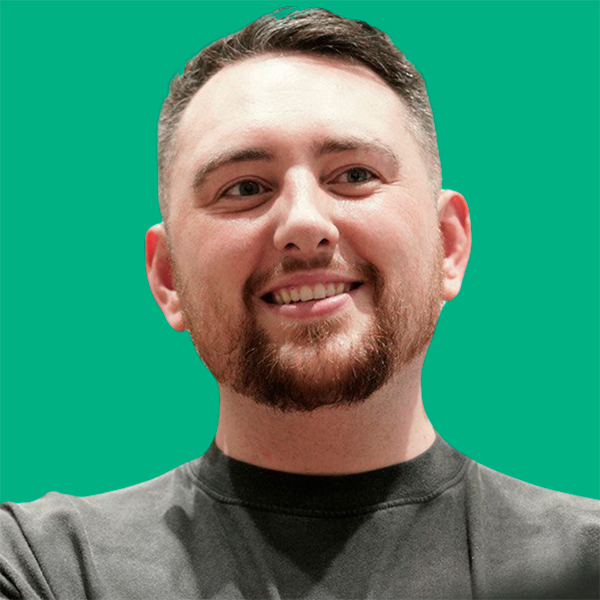
Jeremy Haynes
Owner and CEO of Megalodon Marketing
Jeremy Haynes is the founder of Megalodon Marketing. He is considered one of the top digital marketers and has the results to back it up.