Funnel Friction
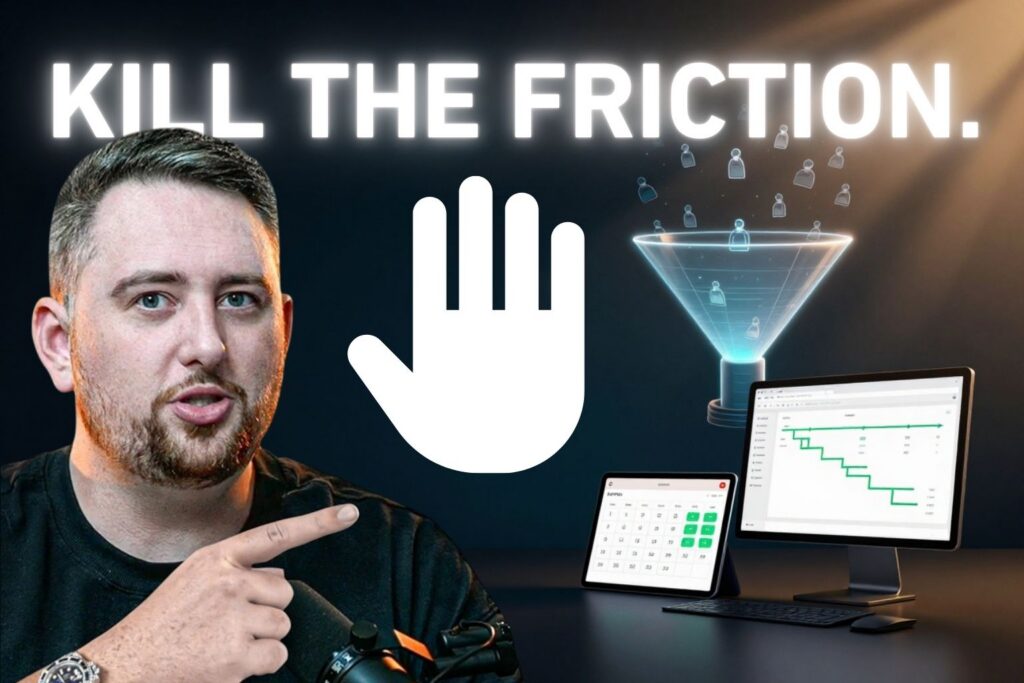
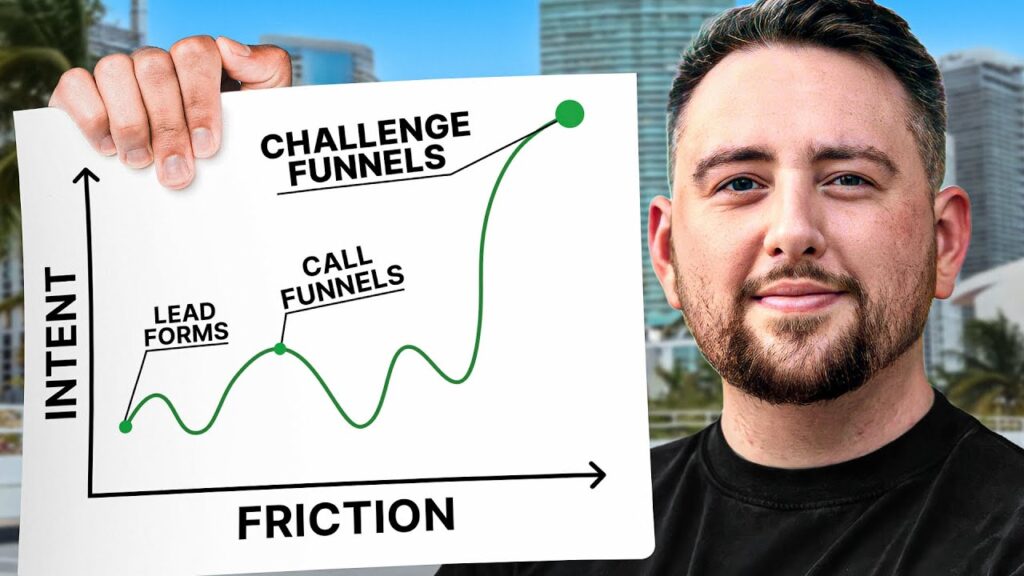
Funnel friction refers to any obstacle, hesitation point, or unnecessary step that slows people down or stops them from moving through your funnel. This includes things like too many form fields, confusing navigation, unclear value propositions, slow page load times, broken links, requiring account creation before purchase, or asking for information before people understand why they should provide it. Friction kills conversion rates because every additional step or moment of confusion is an opportunity for people to leave. Reducing friction is one of the highest-leverage activities in conversion optimization.
Types Of Friction
Friction comes in multiple forms. Cognitive friction happens when people have to think too hard about what to do next or they don’t understand your messaging. Interaction friction happens when completing an action requires too many steps or too much effort. Emotional friction happens when people feel uncertain, skeptical, or worried about risk. Some friction is necessary like qualification questions for high-ticket offers, but most friction in funnels is accidental and hurting performance. The businesses that convert best have obsessively identified and removed every unnecessary point of friction.
Strategic Friction Reduction
Reducing friction doesn’t mean removing everything. It means making the desired action as easy as possible while maintaining necessary elements. You can reduce cognitive friction with clearer messaging and obvious next steps. You can reduce interaction friction by minimizing form fields, enabling guest checkout, and removing unnecessary pages. You can reduce emotional friction with guarantees, social proof, and transparent policies. The key is testing friction removal systematically. Remove one thing, measure the impact, keep it if conversion improves. Over time you build a funnel that’s optimized for maximum flow with minimum resistance.