Friction Spectrum
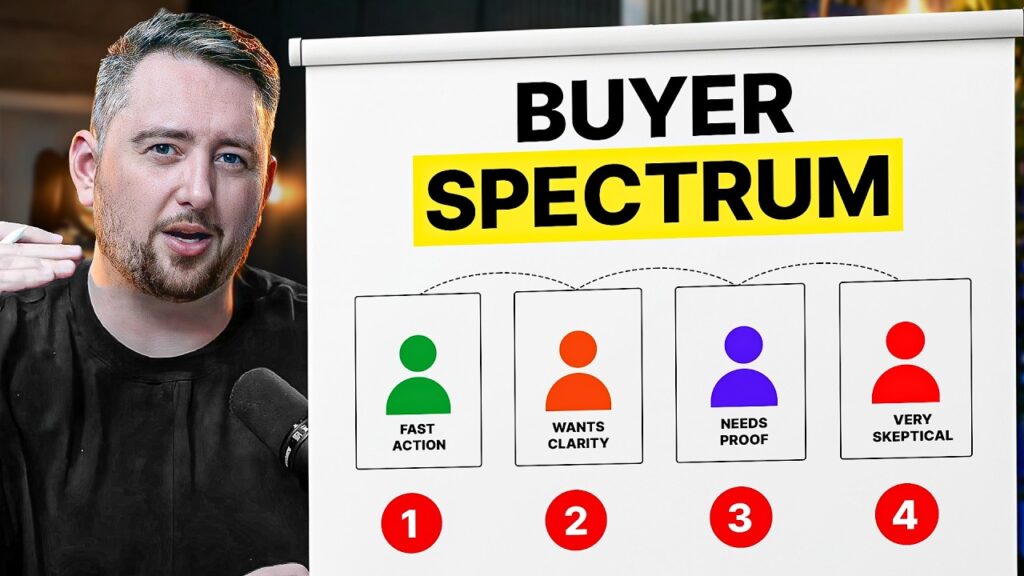
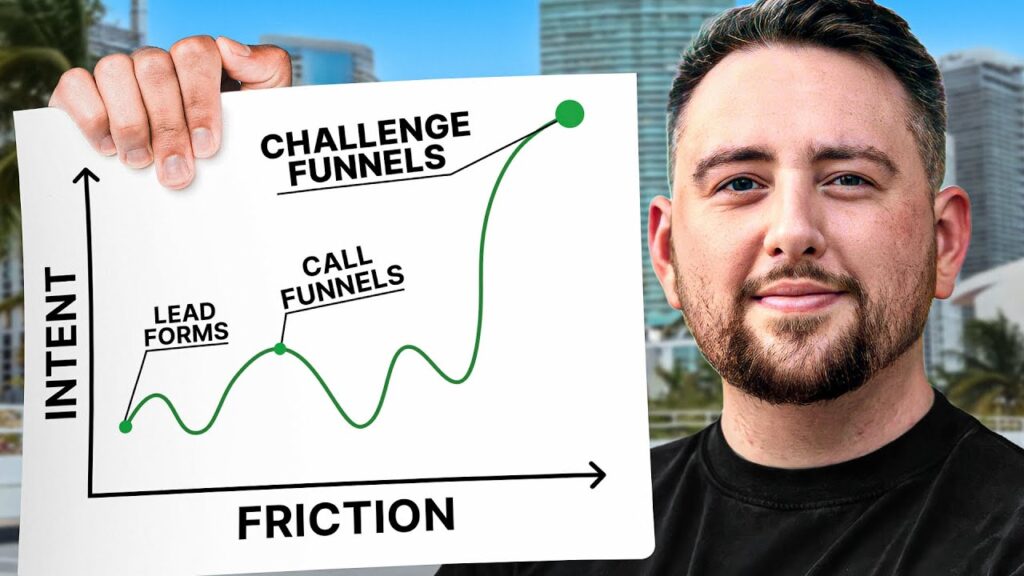
The friction spectrum is the range from extremely high friction to extremely low friction in your customer journey and buying process. High friction means people have to jump through lots of hoops to buy from you like filling out long forms, having multiple conversations, or waiting for approval. Low friction means buying is easy and fast like one-click purchases with no questions asked. Where you should be on the spectrum depends on what you’re selling and who you’re selling to. Low ticket impulse products need low friction. High ticket complex services often need high friction to qualify buyers and set proper expectations.
Why Friction Isn’t Always Bad
Most conversion optimization advice says remove all friction, but that’s wrong for many business models. Strategic friction filters out bad-fit customers, qualifies people so you’re not wasting time with tire kickers, sets expectations about the level of commitment required, and increases perceived value because things that are easy to get feel less valuable. If you remove all friction from a high-ticket offer, you’ll get more leads but they’ll be lower quality and your close rate will tank. The goal isn’t minimum friction. It’s optimal friction for your specific offer and customer.
Finding Your Optimal Friction
The right amount of friction depends on your price point, complexity of your offer, and the cost of serving unqualified customers. A $27 digital product should have almost zero friction. A $50K consulting engagement should have significant friction including applications, qualification calls, and possibly even requiring referrals. You find the optimal level by testing. If you’re getting tons of unqualified leads who waste your time, add friction. If qualified people are dropping off because your process is too complicated, remove friction. The businesses that nail this have intentionally designed friction that serves their business model rather than just copying what other people do.