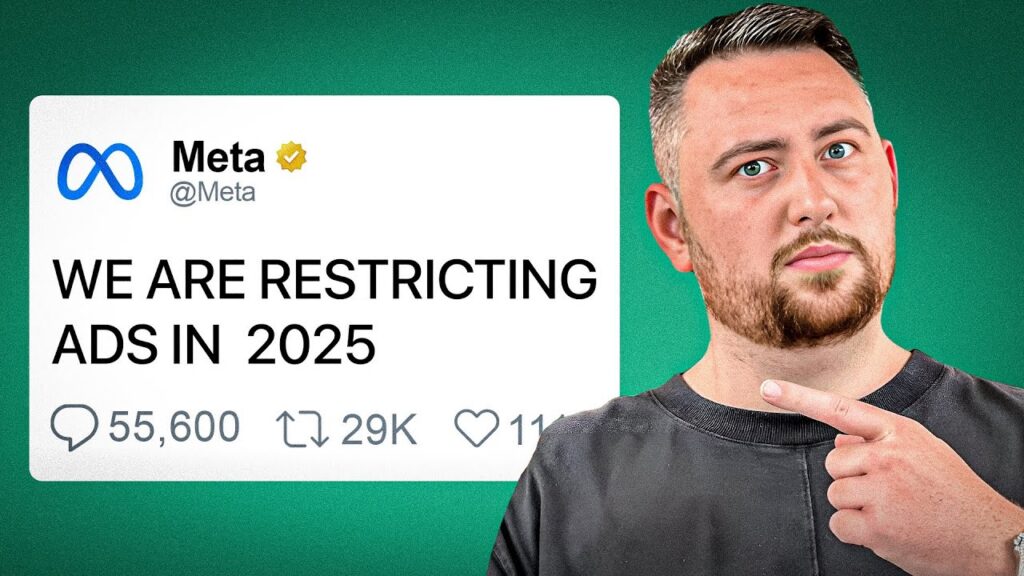
Facebook Ads Restriction
Facebook ads restrictions refer to the policies and limitations Facebook places on what you can advertise, how you can target, and what you can say in your ads and landing pages. These restrictions have gotten significantly tighter over the years covering everything from prohibited content like tobacco and weapons to restricted categories like financial services and health claims. Violating these policies can result in ads being rejected, accounts being restricted, or permanent bans. Understanding and complying with Facebook’s ad policies is non-negotiable if you want to advertise on the platform long-term without constantly dealing with account issues.
Common Restriction Issues
The most common restriction issues advertisers face include making health claims that aren’t allowed, using before-and-after images, targeting restricted categories like employment or housing without proper certifications, including prohibited content like profanity or adult themes, and making misleading claims about results. Even legitimate businesses get caught by restrictions when their landing pages have issues like broken links, missing privacy policies, or misleading content that doesn’t match the ad. The restrictions are enforced by both automated systems and human reviewers, and the automated systems often make mistakes that require appeals.
Staying Compliant Long-Term
Staying compliant with Facebook’s ad restrictions requires reading and understanding their policies, building landing pages that clearly meet their standards, avoiding gray-area tactics that might work short-term but risk your account, having proper legal policies and disclaimers, and keeping up with policy changes because they evolve constantly. You also need backup accounts and business managers so if one account does get restricted, you’re not completely dead in the water while appealing. The businesses that scale ads sustainably are the ones who prioritize compliance and play by the rules even when it means leaving money on the table by not pushing boundaries.