Dead Leads Reactivation
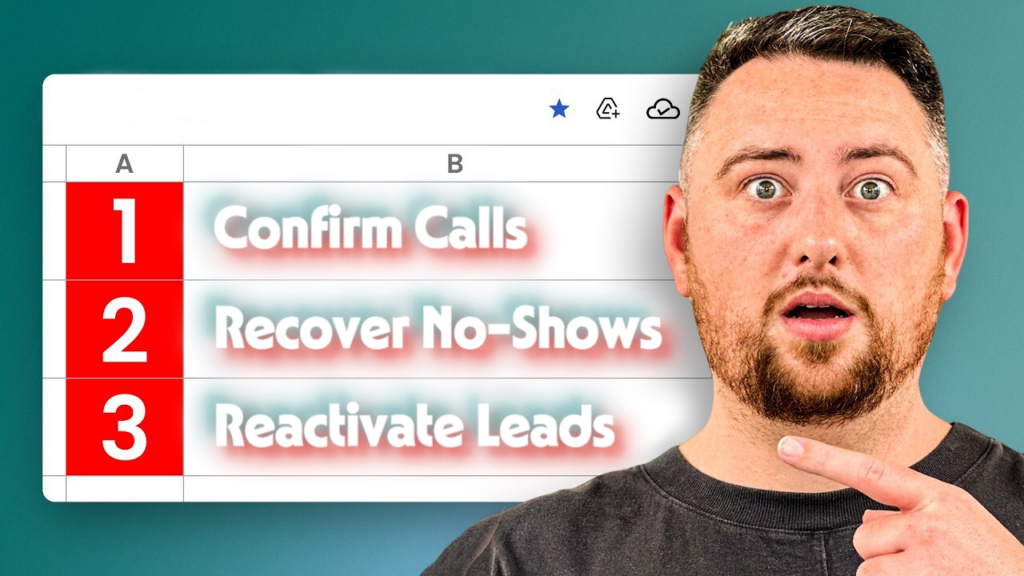
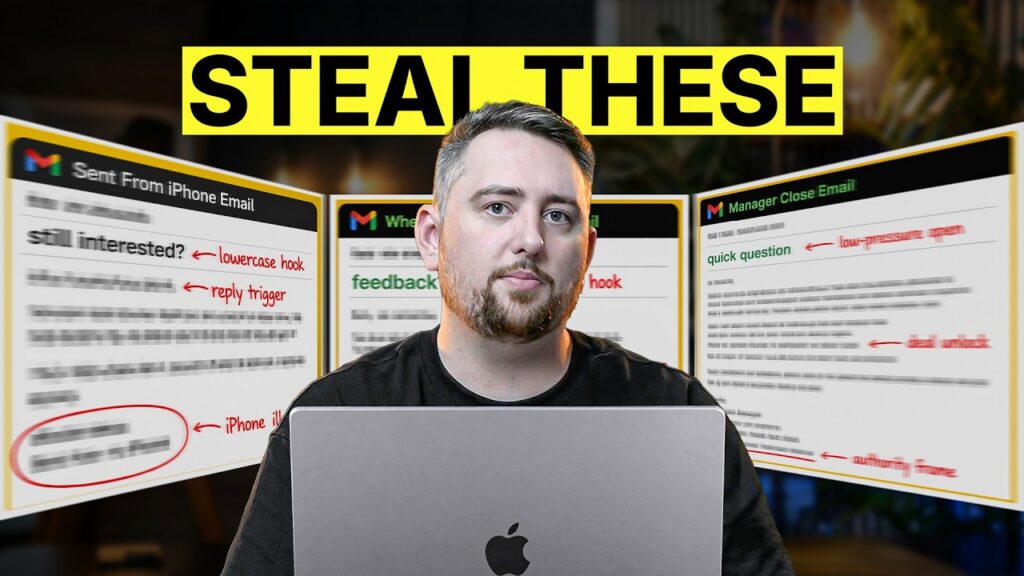
Dead leads reactivation is the process of attempting to re-engage contacts who have gone cold through strategic campaigns designed to restart the conversation. This typically involves a sequence of emails or messages with different angles trying to get a response. You might lead with value by offering a new resource, create curiosity about a recent update or change, use humor about the fact that they’ve been ghosting you, or simply ask if they’re still interested and if not, if you should remove them from your list. The goal is getting any response at all so you can separate people who are truly dead from people who just need a different approach.
What Makes Reactivation Work
Effective reactivation campaigns work because they acknowledge the elephant in the room which is that you haven’t heard from them in a while. They don’t pretend like you’ve been in regular contact. They’re direct about the fact that the lead has been cold and they’re giving them a clear opportunity to re-engage or opt out. The best reactivation emails are short, personalized where possible, and focused on one clear call to action like replying, booking a call, or accessing a new resource. You’re not trying to close them in the reactivation email. You’re just trying to get them to raise their hand again so you can start a conversation.
Building A Reactivation System
A systematic approach to reactivation means having automated sequences that trigger for leads who haven’t engaged in 60, 90, or 180 days depending on your sales cycle. The sequence might include 3 to 5 emails spaced out over a couple weeks with different angles. If they don’t respond to any of them, you either move them to a long-term nurture track or you remove them completely to keep your list clean. The businesses that do this well are constantly running reactivation campaigns and treating their dead lead list as a source of revenue that costs almost nothing to tap into since the leads are already in the database.