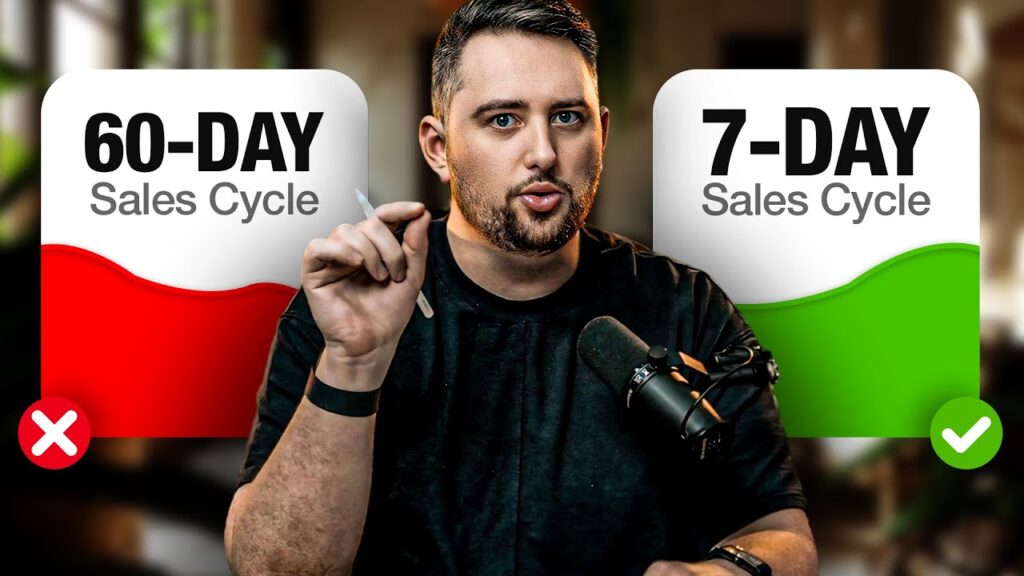
Sales Cycle
The sales cycle is the timeline from when a prospect first engages with your business to when they become a customer. Sales cycles vary dramatically by business model. E-commerce might have cycles measured in minutes or hours. Mid-ticket B2C might be days or weeks. High-ticket B2B might be months or quarters. Understanding your sales cycle helps with forecasting because you know when leads from today will convert to revenue, resource planning because you can predict workload, and optimization because you can identify stages where deals stall and take too long.
Measuring Your Cycle
Measuring sales cycle requires tracking when opportunities enter your pipeline, when they progress through stages, and when they close, then calculating the average and median time to close. You should also analyze cycle length by deal size, lead source, and sales rep to identify patterns. Some segments might have much longer cycles than others. Some lead sources might produce faster closes. Understanding these differences helps you manage pipeline and set realistic expectations. The businesses with the best forecasting have detailed cycle analysis that improves accuracy.
Shortening The Cycle
Shortening sales cycles increases revenue velocity and efficiency. You shorten cycles through better qualification that filters out people who will take forever to decide, creating urgency through limited-time offers or scarcity, improving your sales process to remove unnecessary steps, addressing objections proactively in marketing before calls, providing all information prospects need to make decisions quickly, and sometimes walking away from deals that are taking too long. The businesses with the fastest sales cycles have systematically removed friction and created reasons for prospects to move quickly rather than deliberating endlessly.