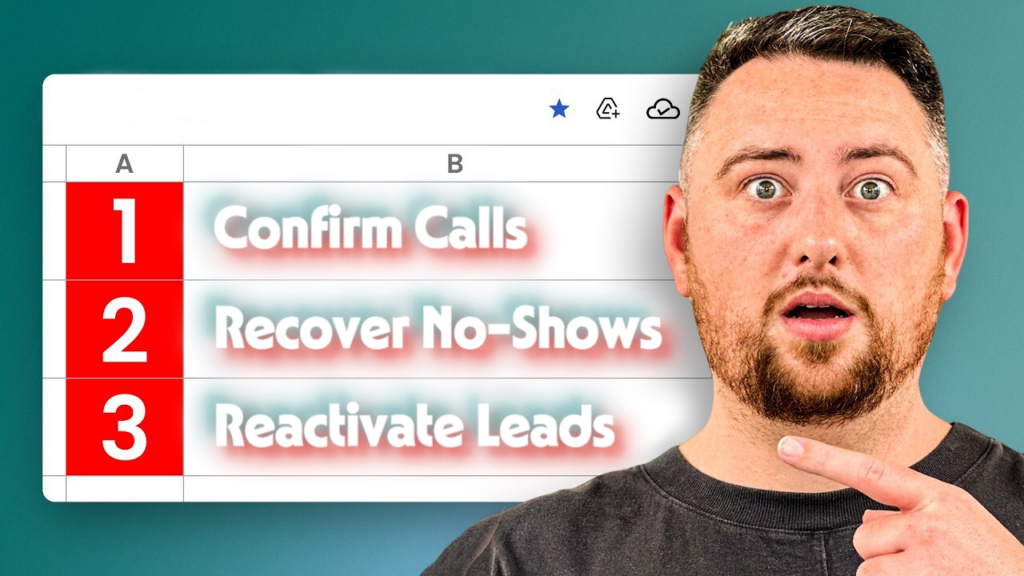
Dead-Lead Revival System
A dead-lead revival system is a structured process for systematically attempting to re-engage contacts who have gone completely cold through automated sequences, manual outreach, and strategic offers designed specifically for dormant leads. The system includes segmentation of dead leads by how engaged they were before going cold, automated email sequences with different messaging angles, sometimes direct mail or SMS for high-value leads, and breakup campaigns where you tell them you’re removing them unless they respond. The goal is extracting as much value as possible from leads you’ve already paid to acquire before giving up on them completely.
Building The System Right
An effective revival system starts with clear definitions of what makes a lead dead. This might be no engagement for 90 days, no email opens for 60 days, or no response after multiple follow-up attempts. Once leads hit that threshold, they enter the revival sequence which typically runs for two to four weeks with escalating urgency. Early emails might offer new value or resources. Middle emails create curiosity about what they’re missing. Final emails use takeaway language saying you’re moving on unless they want to stay connected. The sequence should feel natural and human, not like obvious automation blasting them with generic messages.
Measuring Revival Success
The metrics that matter for dead-lead revival are reactivation rate which is the percentage of dead leads who re-engage, conversion rate of reactivated leads to customers, and revenue generated compared to the effort invested in the revival campaign. Even a 2% to 5% reactivation rate can be incredibly valuable because these are leads that cost you nothing additional to acquire. The businesses that excel at this are running revival campaigns quarterly on their dead lead segments and treating it as a reliable source of low-cost revenue. They’re also learning from which angles get responses so they can improve both their revival campaigns and their initial nurture to prevent leads from going cold in the first place.