How to Build a High-Ticket Sales Funnel That Converts

I hope you enjoy reading this blog post. If you want my team to just do your marketing for you, click here.
Author: Jeremy Haynes | Published December 4, 2025

Earnings Disclaimer: You have a .1% probability of hitting million-dollar months according to the US Bureau of Labor Statistics. As stated by law, we cannot and do not make any guarantees about your own ability to get results or earn any money with our ideas, information, programs, or strategies. We don’t know you, and your results in life are up to you. We’re here to help by giving you our greatest strategies to move you forward, faster. However, nothing on this page or any of our websites or emails is a promise or guarantee of future earnings. Any financial numbers referenced here, or on any of our sites or emails, are simply estimates or projections or past results, and should not be considered exact, actual, or as a promise of potential earnings – all numbers are illustrative only.
A high-ticket sales funnel has to do more than collect a lead and push that person toward a calendar. It has to create enough understanding for the right buyer to take the next step while giving the wrong buyer a clean reason to stop. When the funnel does that well, the sales call continues a decision that has already started instead of carrying the whole sale from zero.
The strongest version is usually simpler than people expect. One buyer, one offer, one primary conversion path, and a small set of numbers that show where interest turns into confusion. The work is getting every step to carry the same promise from the first click through qualification, the call, and follow-up.
7 weeks. Real frameworks. Covering copywriting, funnels, paid ads, and conversion systems.
What a High-Ticket Sales Funnel Needs to Do
A high-ticket sales funnel moves a qualified prospect toward the next useful commitment. That commitment may be watching a video, attending a webinar, completing an application, or booking a conversation. The funnel is not finished merely because somebody submitted a form.
High-ticket buyers are making a decision that may affect cash, time, team capacity, or reputation. They need more context than a low-friction purchase usually requires. Your funnel should answer the questions that determine fit before asking for a bigger commitment.
The funnel should make the next decision easier, not simply make the next button easier to find. That means every stage needs a clear job. Traffic creates relevance. The page explains the problem and offer. Proof reduces reasonable doubt. Qualification protects the calendar. Follow-up keeps a serious conversation alive.
The broader high-ticket sales system includes the offer, message, funnel, sales conversation, collection, and delivery. This page stays focused on the funnel that connects those pieces.
Start With the Buyer and the Decision
Most funnel problems begin before the page gets built. The operator has not decided exactly who the offer is for, what that buyer already understands, or what evidence the buyer needs before a conversation makes sense. More pages cannot fix that uncertainty.
Write down the buyer’s current situation in plain language. Name the problem they already recognize, the result they are trying to create, and the conditions that make the offer a reasonable fit. Then identify what the buyer must believe before taking the next step.
HubSpot’s lead generation funnel guide separates attraction, qualification, and conversion into distinct jobs. That distinction matters here because attention alone does not create a sales-ready prospect.
Proof should match the decision in front of the buyer. A testimonial may show that somebody valued the experience. A demonstration may show how the process works. A clear limitation may do more for trust than another claim. The article on trust assets in high-ticket sales explains how to place evidence where it answers a real concern.
Pick One Primary Conversion Path
There is no single high-ticket sales funnel that fits every offer. The right path depends on how familiar the market is with the problem, how much explanation the offer needs, and whether a live conversation is necessary before somebody can decide.
A direct call funnel can work when the page can create enough clarity for a qualified person to apply. It is easy to understand and easier to measure because the path stays short. It also exposes weak positioning quickly. If sales spends every call explaining the basic offer, the funnel handed the buyer over too early.
A video sales letter gives the message more room. It can open with the problem, explain the mechanism, show relevant proof, answer real objections, and qualify the viewer before the application. The high-ticket video sales letter structure is useful when the offer needs that guided explanation. Before spending into it, use the VSL calculator to model the traffic, booked-call, and sales assumptions you plan to test.
A webinar fits when education is the main constraint. It gives the buyer time to understand a new way of seeing the problem before the offer appears. It also creates more moving parts across registration, attendance, presentation, application, and follow-up. The breakdown of webinars in a high-ticket business shows where that path earns its extra complexity. The webinar calculator can help you model the sequence without presenting projections as promised outcomes.
The comparison of sales funnels for high-ticket offers can help you choose among those paths. Pick one as the primary mechanism. Add another only when it serves a buyer state the first path cannot handle well.
Build the Landing Page Around One Next Step
A landing page should make one decision feel clear. The headline tells the right visitor why the page matters. The supporting copy explains the problem, the offer, and the next step. Proof answers the doubts that would otherwise stop a qualified buyer.
Unbounce’s guidance on calls to action recommends keeping multiple buttons aligned to the same conversion goal. That is a useful distinction. A long page may repeat the button, but each button should move the visitor toward the same action rather than opening several competing paths.
Remove anything that does not help the buyer make that decision. Extra navigation, vague buttons, and unrelated offers create exits before the main idea has landed. Keep the action specific enough that the buyer knows what will happen after clicking.
In Master Internet Marketing, my 7-week live comprehensive training, I work through how paid traffic, landing pages, qualification, and sales connect around one offer. The goal is to make each part of the path answer to the same buyer and the same business result.
Results are not typical. Your results will vary and depend entirely on your individual capacity, business experience, expertise, and level of desire. There are no guarantees concerning the level of success you may experience. The testimonials and examples used are not intended to represent or guarantee that anyone will achieve the same or similar results. We don’t believe in get-rich-quick programs. We believe in hard work, adding value and serving others. As stated by law, we can not and do not make any guarantees about your own ability to get results or earn any money with our information, courses, programs, or strategies.
Use Content and Email to Carry Context
A page cannot answer every useful question without becoming hard to read. Content and email carry the conversation before and after the page. They let the buyer learn at a pace that matches the size of the decision.
Start with the questions sales hears repeatedly. If prospects keep asking who the offer is for, what work it requires, or why one approach differs from another, the funnel has left important context for the closer to rebuild. Publish the honest answer and connect it to the relevant stage.
Email should continue the same argument rather than launch a new one. Deliver what the person requested, explain the next useful idea, show proof that matches the offer, and invite the next action when the context is there. Mailchimp’s email funnel guidance emphasizes relevant communication across the customer journey, along with testing based on engagement data.
A high-ticket sales funnel becomes easier to trust when the ad, page, email, and call use the same language. If each step changes the promise, the buyer has to keep deciding whether they entered the right process.
Qualify Before the Calendar Fills
Qualification protects both sides of the conversation. The buyer should know whether the offer matches their situation. The sales team should know enough to prepare for the call and route it correctly.
Ask only for information that changes fit, preparation, or routing. A long application that nobody uses adds friction without improving the decision. A short application with vague questions gives sales no useful context.
Salesforce’s lead qualification guidance frames qualification around genuine interest and need so sales can focus on the prospects most likely to become real opportunities. The exact questions will differ by offer, but the operating principle holds.
The buyer-ready funnel framework goes deeper on pre-selling and filtering before the calendar. Use the application answers after collecting them. If the answer does not change what the team does next, remove the question.
Make the Sales Call Continue the Funnel
The sales call should feel like the next part of the same conversation. The buyer has already seen the promise, learned how the offer works, and shared enough information for the closer to prepare. The closer can now diagnose the situation instead of replaying the landing page.
Confirmation and reminder material should reduce uncertainty around the call. Tell the prospect what the conversation is for, who should attend, and what information will help. When attendance is weak, inspect the promise, scheduling experience, confirmation page, and reminders before treating the problem as a sales-script issue.
Follow-up should continue the questions that appeared on the call. Generic check-ins usually add little. Send the most relevant answer, proof, or clarification, then make the next decision easy to understand. The system for improving sales-call attendance through follow-up covers that handoff in more detail.
Track the First Place the Funnel Breaks
Do not judge the funnel from one surface metric. A large number of leads may still produce few qualified conversations. A full calendar may still produce weak attendance. A strong close rate may still sit beside collection or delivery problems.
Track the path in order. Look at traffic response, page action, application completion, qualification, booking, attendance, decisions, collected cash, and delivery load. Use the labels that match what the system actually measured. A click is a click. A booking is a booking. Neither becomes a sale until the transaction exists.
The cold-to-close high-ticket sales system connects acquisition activity to the eventual business outcome. That wider view helps you find the first meaningful break instead of blaming the last visible person in the process.
Change the earliest broken step and leave the healthy steps alone long enough to learn. Replacing the ad, page, application, closer, and follow-up at once may change the result, but it will not show which decision deserves the credit.
Inside my Inner Circle, operators bring the actual numbers and work through where the path stopped making sense. The useful question is rarely whether the whole funnel is bad. It is which decision failed first and what evidence would show that the fix worked.
Results are not typical. Your results will vary and depend entirely on your individual capacity, business experience, expertise, and level of desire. There are no guarantees concerning the level of success you may experience. The testimonials and examples used are not intended to represent or guarantee that anyone will achieve the same or similar results. We don’t believe in get-rich-quick programs. We believe in hard work, adding value and serving others. As stated by law, we can not and do not make any guarantees about your own ability to get results or earn any money with our information, courses, programs, or strategies.
Already making money? See what it takes to make a lot more.
Build the Funnel in This Order
Start with the buyer, the offer, and the next commitment that makes sense. Choose one primary conversion path. Build the page around one action, then use content and email to carry the context the page cannot hold by itself.
Add qualification that changes how the team prepares or routes the opportunity. Make the sales call continue the same conversation. Track each stage with literal labels, find the earliest meaningful break, and test the smallest change that can answer the problem.
A high-ticket sales funnel works when every step prepares the buyer for the next one. Keep the promise consistent, let the evidence match the decision, and make the path clear enough that both the buyer and the team know what happens next.
Results are not typical. Your results will vary and depend entirely on your individual capacity, business experience, expertise, and level of desire. There are no guarantees concerning the level of success you may experience. The testimonials and examples used are not intended to represent or guarantee that anyone will achieve the same or similar results. We don’t believe in get-rich-quick programs. We believe in hard work, adding value and serving others. As stated by law, we can not and do not make any guarantees about your own ability to get results or earn any money with our information, courses, programs, or strategies.
Get my content first on Google
Add jeremyhaynes.com as a preferred source and Google shows my articles more prominently in your search results, including AI Overviews and AI Mode.

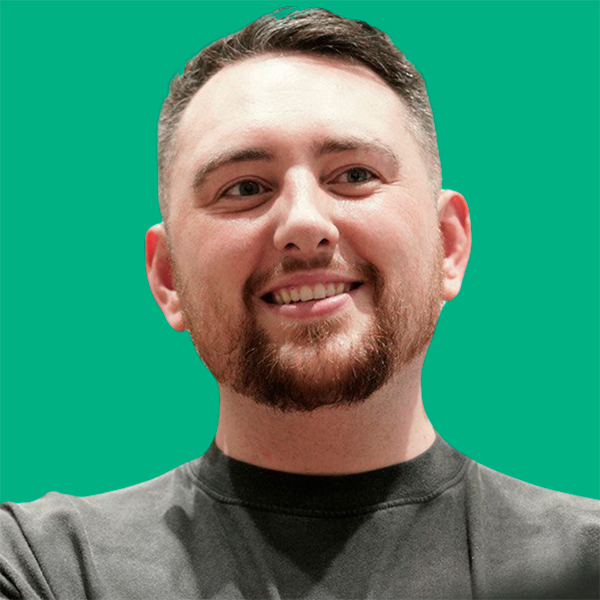
Jeremy Haynes
Owner and CEO of Megalodon Marketing
Jeremy Haynes is the founder of Megalodon Marketing. He is considered one of the top digital marketers and has the results to back it up.