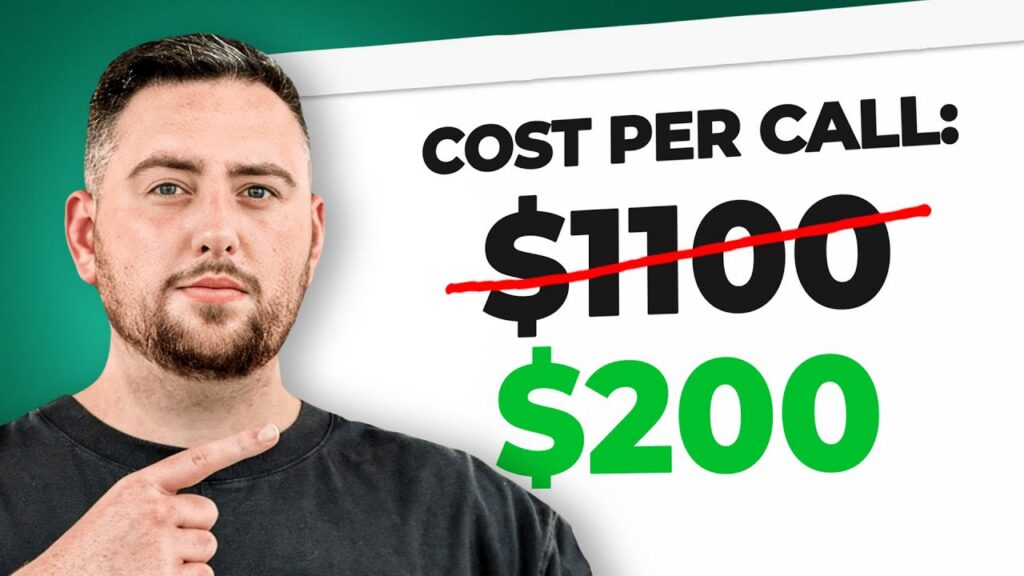
Cost Per Call (CPC)
Cost per call is how much you’re spending on average to generate one phone call or booked appointment with a prospect. If you spent $2,000 on ads and got 40 calls booked, your cost per call is $50. This metric matters for businesses that rely on sales calls to close deals, especially in high ticket or complex sales. Your cost per call combined with your call-to-close rate determines your overall customer acquisition cost. If your cost per call is $50 and you close 20% of calls, your CPA is $250. Understanding this math is critical for knowing how much you can afford to spend on ads while staying profitable.
What Drives Cost Per Call
Cost per call is influenced by your ad creative and targeting which determines your cost per click, and your landing page and offer which determines what percentage of clicks turn into booked calls. Improving either side of this equation lowers your cost per call. You can get cheaper clicks by testing better hooks and creative, or you can improve your landing page conversion rate by making the value of the call clearer and reducing friction in the booking process. Most businesses focus only on getting cheaper clicks when improving conversion rate on the landing page often has a bigger impact.
Qualifying Before The Call
The temptation with cost per call is to optimize purely for volume and get as many calls booked as possible at the lowest cost. This is a mistake because unqualified calls waste your sales team’s time and hurt close rates. It’s better to have a higher cost per call with qualified prospects than a low cost per call with tire kickers who were never going to buy. This is where pre-call qualification matters. Making people watch a video, fill out an application, or answer questions before booking filters out the garbage and ensures your cost per qualified call, not just cost per call, is what actually matters.