Compliance Framework
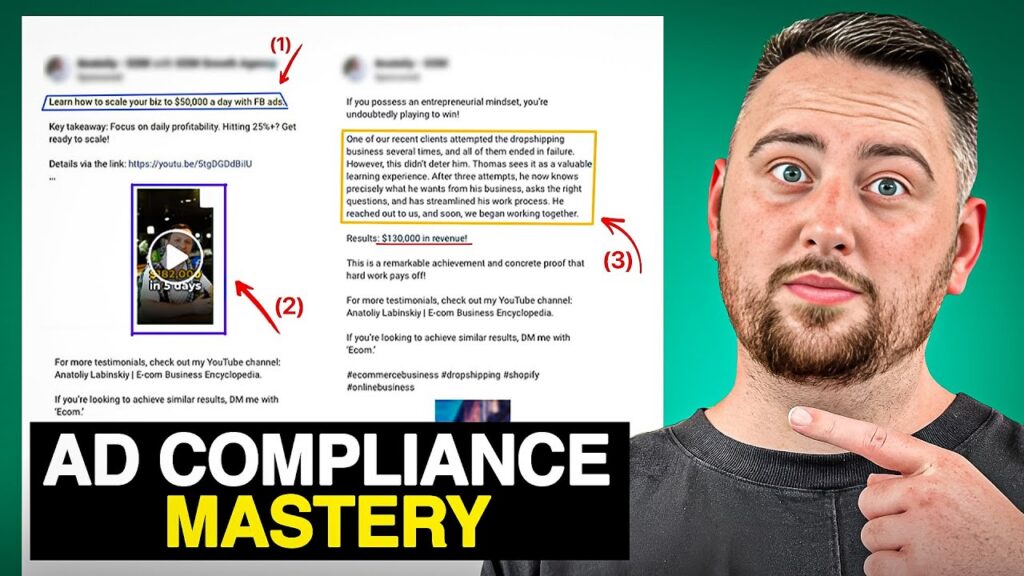
A compliance framework is a structured system of rules, procedures, and controls that ensures your business operates within legal and regulatory requirements. This includes advertising compliance with platform policies and FTC regulations, data privacy compliance with laws like GDPR and CCPA, financial compliance if you’re handling transactions, and industry specific regulations depending on what you sell. Having a compliance framework protects you from legal liability, account bans, fines, and reputational damage. It’s not optional if you want to build a sustainable business, especially as you scale and attract more attention.
Why Compliance Kills Businesses
Most entrepreneurs ignore compliance until they get burned and then it’s too late. Your ad account gets banned and you lose your primary acquisition channel overnight. You get hit with an FTC complaint because your testimonials didn’t have proper disclaimers. A data breach exposes customer information and now you’re facing lawsuits. These aren’t hypothetical risks. They happen constantly to businesses that prioritized growth over building proper compliance systems. The ones who survive long term are the ones who build compliance into their operations from day one instead of treating it as an afterthought.
Building Your Framework
A basic compliance framework includes understanding the regulations that apply to your business, documenting your processes for staying compliant, training your team on requirements, and regularly auditing to make sure you’re actually following your own rules. For advertising, this means knowing platform policies, FTC disclosure requirements, and making sure every ad and landing page follows the rules. For data, this means having proper privacy policies, consent mechanisms, and data handling procedures. The larger you grow, the more formal your compliance framework needs to be, and eventually you’ll need legal counsel reviewing everything.