How to Improve Your Appointment to Close Rate in Seven Days
I hope you enjoy reading this blog post. If you want my team to just do your marketing for you, click here.
Author: Jeremy Haynes | Published March 31, 2026
Earnings Disclaimer: You have a .1% probability of hitting million-dollar months according to the US Bureau of Labor Statistics. As stated by law, we cannot and do not make any guarantees about your own ability to get results or earn any money with our ideas, information, programs, or strategies. We don’t know you, and besides, your results in life are up to you. We’re here to help by giving you our greatest strategies to move you forward, faster. However, nothing on this page or any of our websites or emails is a promise or guarantee of future earnings. Any financial numbers referenced here, or on any of our sites or emails, are simply estimates or projections or past results, and should not be considered exact, actual, or as a promise of potential earnings – all numbers are illustrative only.
If you’re running a business that’s already booking appointments but struggling to actually close them, there’s a gap between getting someone on a call and turning them into a paying client. Most businesses I work with are sitting at close rates that leave significant room for improvement on their appointments.
In my experience, improving your close rate isn’t about working harder or making more calls. It is about tightening up the systems between the appointment booking and the actual close. You can make meaningful progress in as little as seven days if you know exactly what to focus on.
This framework is built for established operators who need better systems. If you want to go deeper on building these kinds of operational frameworks, Master Internet Marketing is our 7-week live comprehensive training that covers this in detail.
Results are not typical. Your results will vary and depend entirely on your individual capacity, business experience, expertise, and level of desire. There are no guarantees concerning the level of success you may experience. The testimonials and examples used are not intended to represent or guarantee that anyone will achieve the same or similar results. We don’t believe in get-rich-quick programs. We believe in hard work, adding value and serving others. As stated by law, we cannot and do not make any guarantees about your own ability to get results or earn any money with our information, courses, programs, or strategies.
Why Most Appointments Don’t Convert and How to Diagnose the Problem
Before we get into the seven-day framework, you need to understand where the breakdown actually happens.
The biggest issue I see is that people are booking appointments with anyone who raises their hand: no qualification, no filtering, just “book a call” and hope for the best. You’re spending your time or your team’s time talking to people who were never going to buy in the first place.
The second issue is inconsistent follow-up. Someone books an appointment, maybe they show up, maybe they don’t. If they do show up, the conversation happens, and then nothing: no systematic follow-up, no nurture sequence, no way to handle objections that come up after the call.
The third problem is that you’re probably not using the data you already have. Every appointment that books, shows, no-shows, or closes is giving you information. Most businesses aren’t tracking any of it in a way that actually helps them improve. According to Salesforce’s State of Sales Report, high-performing sales teams are far more likely to use data analytics to guide their process improvements.
The Seven Day Framework for Improving Close Rates
This isn’t about overhauling your entire business. It is about making specific improvements each day that compound into better close rates by the end of the week.
I’ve seen businesses make these changes and see immediate improvements. Not because there’s magic involved, but because they’re finally addressing the actual bottlenecks in their system.
Day One: How to Establish Your Baseline Numbers
You can’t improve what you don’t measure. Day one is about getting brutally honest with your current baseline.
What percentage of booked appointments actually show up?
What percentage of people who show up actually close?
How long is your average sales cycle from first appointment to close?
Most people guess at these numbers. Don’t guess. Pull the actual data from the last 30 days minimum. If you’ve been running appointments for a while, go back 90 days.
The goal here isn’t to feel bad about your current numbers. The goal is to establish a real baseline so you can measure actual improvement over the next six days.
Days Two and Three: How to Qualify Leads Before They Book
This is where most businesses can make the fastest improvements. You need to filter out people who were never going to buy before they ever get on your calendar.
Implement actual qualification questions during the booking process. Not just name and email, real questions that tell you whether this person has the budget, authority, need, and timeline to actually become a client.
The businesses I work with that implement AI-powered chatbots for initial qualification see dramatic improvements here. You’re essentially having a conversation with every lead around the clock, asking the right questions, and only allowing qualified prospects to book time on your calendar. HubSpot’s research on lead qualification shows that proper qualification is one of the most impactful changes a sales organization can make.
This isn’t about being exclusive for the sake of it. It is about respecting your time and theirs. If someone doesn’t have the budget for your offer, it doesn’t matter how good your sales process is. They’re not closing. Better to identify that before the appointment, not during it.
Lead scoring is critical here. Assign point values to different qualification criteria: budget range, current revenue, timeline to implement, previous experience with similar solutions. The leads that score above your threshold get the appointment. The ones below get directed to other resources or a different offer entirely.
Days Four and Five: How to Personalize Your Follow-Up at Scale
Here is where AI becomes your best friend if you’re using it right. Every lead that books an appointment should enter a personalized journey from that moment forward.
I’m talking about omnichannel consistency. The confirmation email, the reminder SMS, the pre-appointment video, the actual call script, the post-appointment follow-up, all of it needs to be aligned and personalized based on what you know about that specific lead.
Most businesses send generic confirmations and wonder why people don’t show up. Or they have great appointments but no systematic follow-up afterward. McKinsey’s research on personalization shows that customers expect consistency across every touchpoint, but most businesses aren’t delivering it.
Use what you learned during qualification to customize everything. If someone mentioned they’re struggling with a specific problem, reference that exact problem in your pre-appointment communication. If they’re in a particular industry, send them a case study from that industry before the call.
The technology exists to automate this at scale. You’re not manually customizing every email. You’re setting up systems that pull the right information and deliver the right message at the right time.
Short-form video is particularly effective here. A quick 30-60 second personalized video before the appointment reminding them what you’re going to cover and why it matters to their specific situation. After the appointment, another quick video recapping the key points and next steps.
Days Six and Seven: How to Handle Objections and Build Follow-Up Sequences
Every business has the same handful of objections that come up repeatedly: price is too high, timeline doesn’t work, need to think about it, want to talk to a partner.
By day six, you should have documented every common objection and created a specific response for each one. Not a script that sounds robotic, a framework that addresses the real concern behind the objection.
The businesses I work with that systematize objection handling see immediate improvements. Instead of fumbling through responses in the moment, you have a clear path for every common scenario.
But here is what most people miss: objection handling doesn’t just happen during the call. It happens in the follow-up sequence after the call.
If someone says they need to think about it, what happens next? In most businesses, nothing systematic. Maybe a generic “just checking in” email a few days later. That’s not enough.
You need automated follow-up sequences that continue to address concerns, provide value, and move people toward a decision. This is where AI-powered tools can analyze behavior and predict which leads are most likely to close based on engagement patterns.
Someone who opens every follow-up email and clicks through to your case studies is showing different intent than someone who hasn’t engaged at all. Your system should recognize that and adjust the follow-up accordingly.
Interactive content works particularly well here. Quick polls or quizzes that re-engage people who went quiet after the appointment. Based on their answer, they get specific resources that address that exact challenge and naturally lead back to your offer.
How AI Fits Into Your Appointment and Closing Systems
I’m not going to tell you that AI is going to magically solve all your problems. But businesses that are integrating AI into their appointment and closing systems are seeing measurable improvements in their processes.
Companies that implement AI for demand forecasting and pipeline optimization are making better decisions about where to focus their energy. Instead of treating every lead the same, they’re using predictive modeling to identify which appointments are most likely to close and prioritizing accordingly. Gartner’s research on AI in sales covers how these tools are being adopted across industries.
This isn’t about replacing human sales conversations. It is about using technology to make those conversations more effective. AI handles the qualification, the scheduling, the personalized follow-up sequences. Your team focuses on the actual high-value conversations with qualified prospects.
First-party data is critical here, especially with privacy regulations tightening. The businesses that are building consent-based data collection into their appointment booking process are creating valuable assets. Every interaction, every question answered, every piece of engagement, all of it feeds into better predictions and better personalization.
Why Omnichannel Consistency Matters for Closing Appointments
Here is a reality check: your prospects interact with your brand across multiple channels. They see your ad on social, visit your website, get an email, receive an SMS reminder, and join a video call.
If those experiences feel disconnected, you’re losing people. This is particularly important for the appointment-to-close journey. From the moment someone books to the moment they become a client, every interaction should feel like part of the same cohesive experience.
That means your messaging needs to align across email, SMS, video, phone calls, and any other channel you’re using. The problem they mentioned during qualification should be referenced in the appointment reminder. The solution you discussed on the call should be reinforced in the follow-up email.
Most businesses have pieces of this working. Maybe they have good email sequences but poor SMS communication. Or great calls but no video follow-up. The businesses that win are the ones that make all of it work together.
How to Track the Metrics That Actually Drive Close Rates
By day seven, you should have clear visibility into the metrics that drive your close rate. Not vanity metrics, actual conversion data that tells you what’s working and what’s not.
Key metrics to track:
Close rate from showed appointments
Average time from first appointment to close
Common objections by frequency
Follow-up engagement rates
These aren’t interesting numbers to look at. They’re decision-making tools. If your show rate is low, you need better qualification or better reminders. If your close rate from shows is low, you need better sales conversations or better follow-up. If your time-to-close is too long, identify and remove friction from the process.
The businesses I work with that implement daily tracking see improvements faster because they can identify problems and adjust in real time. You’re not waiting until the end of the month to realize something isn’t working.
What to Focus on After the Seven Day Framework
This seven-day framework is designed to create immediate improvements. But the businesses that see sustained growth treat this as the beginning, not the end.
Once you’ve tightened up qualification, personalization, objection handling, and tracking, you can start optimizing for even better results:
A/B test different qualification questions.
Test different follow-up sequences.
Experiment with different types of pre-appointment content.
The landscape is changing fast. AI search optimization is becoming critical for businesses that rely on inbound appointment bookings. If your content isn’t optimized for how AI systems understand and serve information, you’re going to lose visibility.
Privacy-first marketing is non-negotiable. Businesses building consent-based data strategies now will have a massive advantage over the ones that wait until they’re forced to change.
Short-form video continues to be one of the highest ROI formats for sales content. If you’re not using video in your appointment confirmation, reminder, and follow-up sequences, you’re missing an opportunity to build connection and trust before and after the call.
The Real Opportunity in Conversion Optimization
Here is what most people don’t realize: improving your close rate has the same impact on your business as increasing your appointment volume, but it’s usually way easier to execute.
You didn’t have to generate more leads. You didn’t have to book more appointments. You just had to convert better.
The businesses I work with that focus on conversion optimization before volume optimization almost always see faster growth. Because once you have a system that converts well, you can profitably scale your appointment volume and the growth compounds.
This isn’t about hype. It is about systems. It is about execution. It is about making specific improvements to specific parts of your process and measuring the results.
The seven-day framework I’ve laid out here is designed to be implemented by established operators who already have appointment flow and want to maximize it. If you’re starting from zero, you need different strategies. But if you’re already booking appointments and struggling to close them, these are the exact areas to focus on.
Track your baseline. Implement ruthless qualification. Personalize at scale. Systematize objection handling. Measure everything. Then optimize and repeat.
That’s how you improve your close rate. Not with magic, not with motivation, with better systems and better execution.
If you want to work through these frameworks with direct feedback and implementation support, Inner Circle is my private, application-gated mastermind where established operators build and refine these exact systems.
Results are not typical. Your results will vary and depend entirely on your individual capacity, business experience, expertise, and level of desire. There are no guarantees concerning the level of success you may experience. The testimonials and examples used are not intended to represent or guarantee that anyone will achieve the same or similar results. We don’t believe in get-rich-quick programs. We believe in hard work, adding value and serving others. As stated by law, we cannot and do not make any guarantees about your own ability to get results or earn any money with our information, courses, programs, or strategies.
Get my content first on Google
Add jeremyhaynes.com as a preferred source and Google shows my articles more prominently in your search results, including AI Overviews and AI Mode.

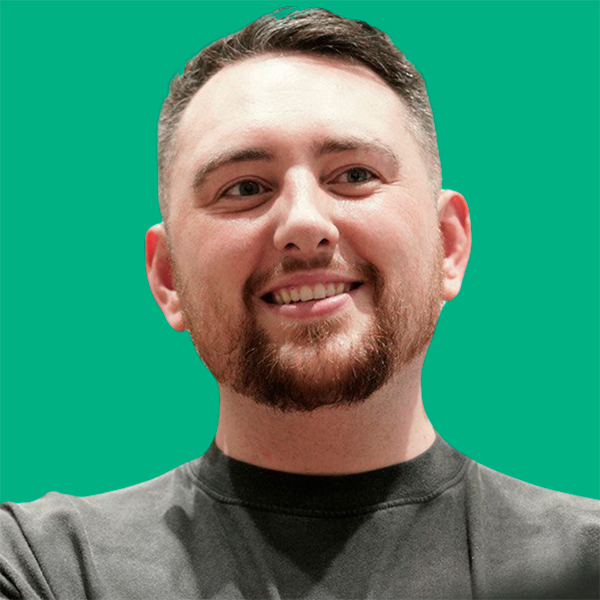
Jeremy Haynes
Owner and CEO of Megalodon Marketing
Jeremy Haynes is the founder of Megalodon Marketing. He is considered one of the top digital marketers and has the results to back it up.