Organic Marketing
Organic marketing refers to any marketing activities that don’t involve paid advertising. This includes content marketing through blogs, videos, and social media posts, SEO to rank in search results, building an audience through valuable free content, email marketing to your list, partnerships and collaborations, PR and media appearances, and community building. Organic marketing builds assets that compound over time. A viral video or high-ranking article can drive traffic for months or years without ongoing ad spend. The downside is organic marketing takes longer to produce results and is harder to scale quickly compared to paid advertising.
Why Organic Matters
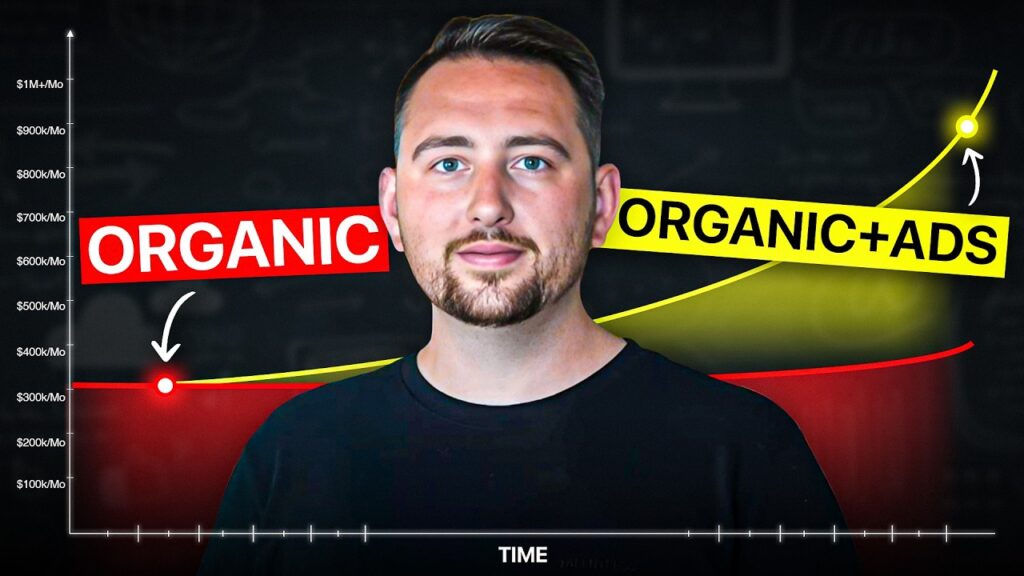
Organic marketing creates sustainable competitive advantages that paid ads can’t. Once you rank for valuable search terms or build an engaged audience, competitors can’t easily displace you by just spending more money. Organic also builds trust and authority in ways paid ads don’t because people see you providing value rather than just trying to sell. The most sustainable businesses combine organic and paid strategies. Paid drives immediate growth and customer acquisition while organic builds long-term assets and brand equity. Relying only on paid means you’re always one algorithm change or account ban from disaster.
Building Organic Systems
Successful organic marketing requires consistent content production, understanding what your audience values, optimizing content for discovery through SEO and platform algorithms, promoting content strategically to maximize reach, and patience because results compound slowly over time. You’re not going to publish a blog post and immediately get thousands of leads. But over months and years of consistent valuable content, you build traffic and authority that drives consistent leads without ad spend. The businesses winning with organic treat content production as seriously as paid ads with dedicated resources, clear strategies, and performance tracking.