Four Levels of Interest
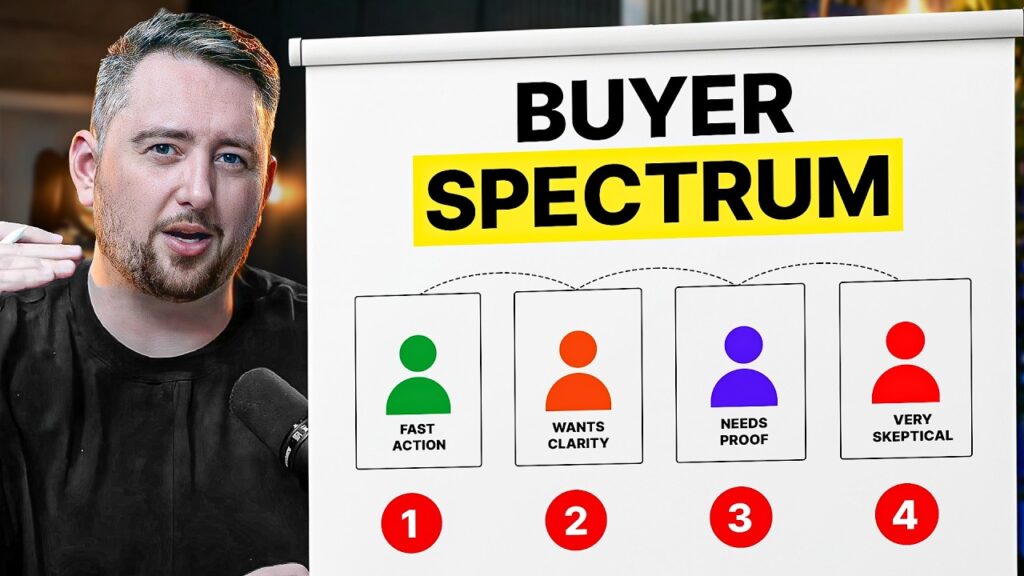
The four levels of interest is a framework for categorizing prospects based on how ready they are to buy, typically ranging from completely cold to ready to purchase now. The levels might be defined as unaware meaning they don’t know they have a problem, problem aware meaning they know they have a problem but don’t know solutions exist, solution aware meaning they know solutions exist and are evaluating options, and product aware meaning they know about your specific product and are deciding whether to buy. Understanding where someone is on this spectrum determines what messaging and content they need. Showing product details to unaware people wastes money while showing general education to product-aware people delays the sale.
Why Level Matching Matters
The biggest mistake in marketing is talking to everyone like they’re at the same level. Someone who doesn’t know they have a problem needs educational content that creates awareness. Someone who knows they need a solution needs content that positions your approach as best. Someone who’s comparing products needs specific proof and differentiation. Someone ready to buy just needs clear next steps and a reason to act now. When you match your message to their level of interest, conversion rates skyrocket. When you mismatch them, you’re either boring them with stuff they already know or confusing them with details they’re not ready for.
Moving People Through Levels
Your marketing should be designed to systematically move people from one level to the next. Content and ads for cold audiences create problem awareness. Retargeting and nurture sequences introduce your solution and build desire. Direct offers and sales conversations close people who are product aware. The businesses that scale efficiently understand that most of their audience is at the lower levels and they need a machine that processes people through each level rather than just pitching to everyone and hoping the few people who are ready will buy.