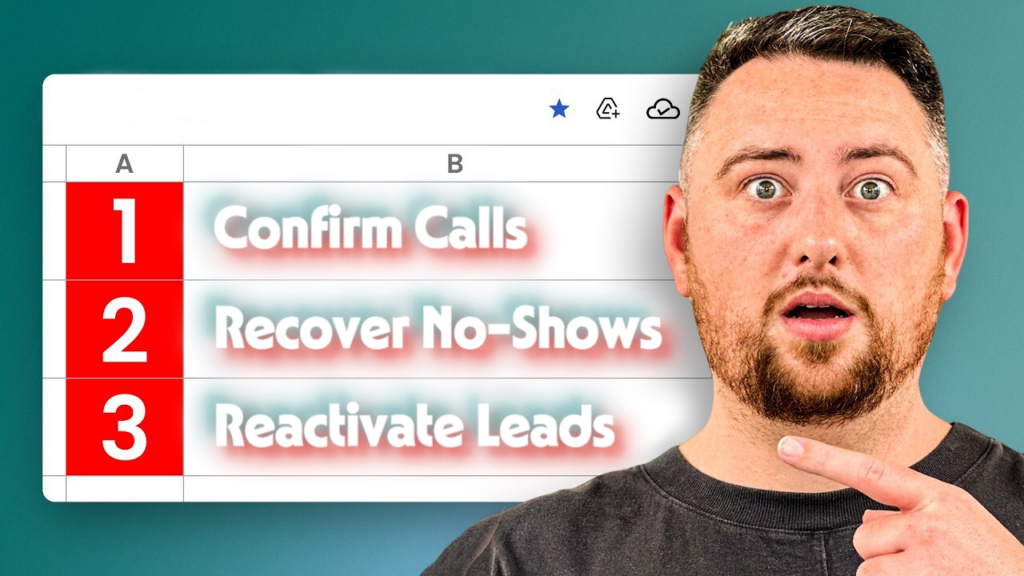
Follow-Up System
A follow-up system is a structured process for staying in touch with prospects, leads, and customers after initial contact to move them toward a desired action or maintain the relationship. This includes automated email sequences, scheduled calls or messages, CRM workflows that prompt your team when to follow up, and escalation procedures for high-value opportunities. Most sales are made after multiple follow-ups but most salespeople give up after one or two attempts. A proper follow-up system ensures nothing falls through the cracks and that every opportunity gets the touches needed to convert or qualify out.
Why Follow-Up Determines Results
The statistics on follow-up are shocking. Most sales require 5 to 12 touch points to close but most salespeople quit after two. The businesses that dominate their markets aren’t necessarily better at getting leads. They’re better at following up persistently until people buy or clearly say no. A follow-up system removes the guesswork and the reliance on memory. It automates what can be automated and prompts humans to take action at the right times. Without a system, you’re leaving massive amounts of money on the table from people who would have bought if you just stayed in touch.
Building Your Follow-Up Process
An effective follow-up system includes immediate response to new leads ideally within minutes, a sequence of automated touches through email or SMS that provides value while moving toward a call to action, manual follow-up from sales for high-value opportunities on a defined schedule, and clear exit criteria so you know when to stop pursuing someone. The system should also include reactivation campaigns for people who went cold after initial engagement. Your CRM should track every interaction and automatically remind team members when follow-up is due. The businesses with the best follow-up treat it as a competitive advantage and they’re constantly optimizing their sequences based on what gets responses.